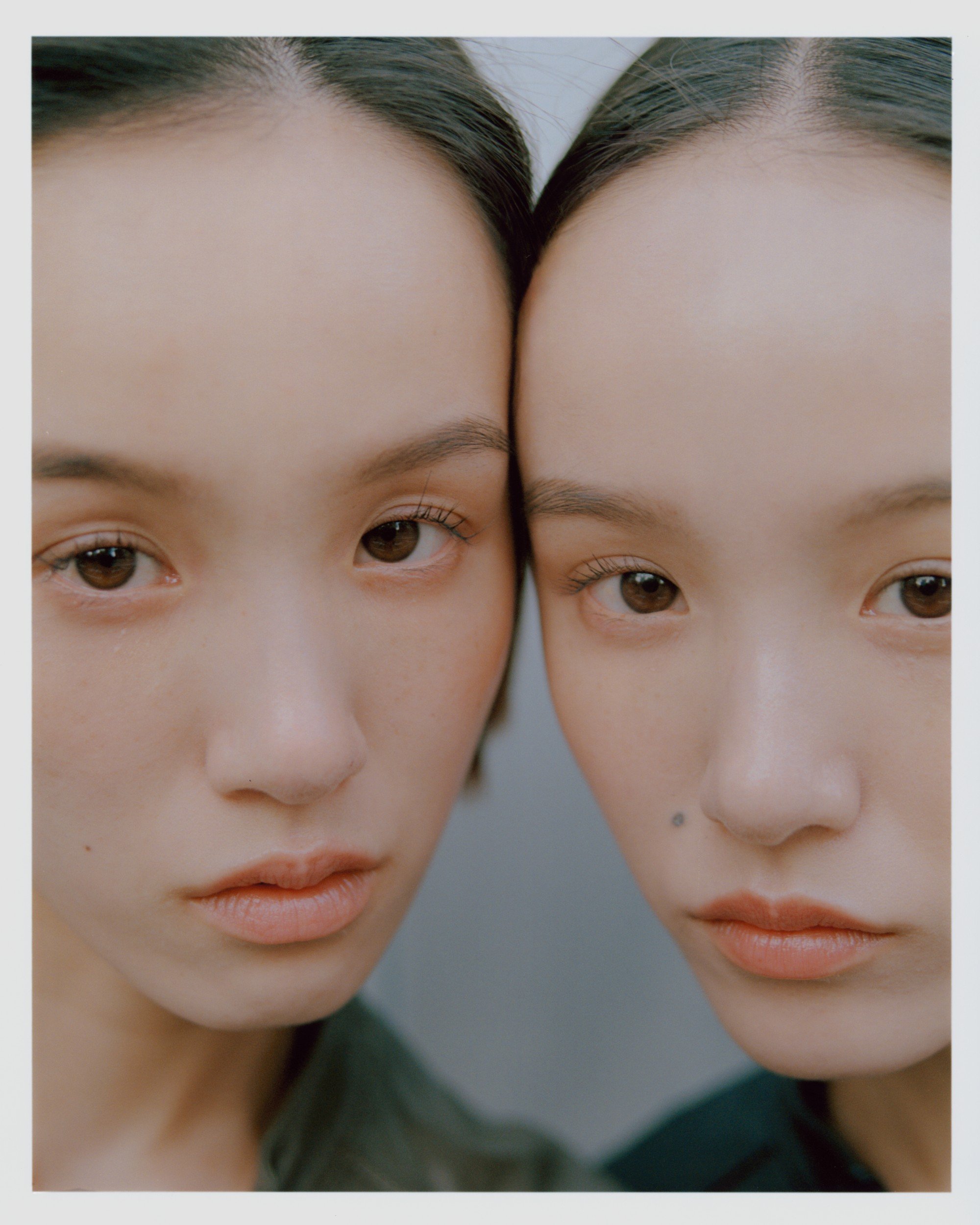
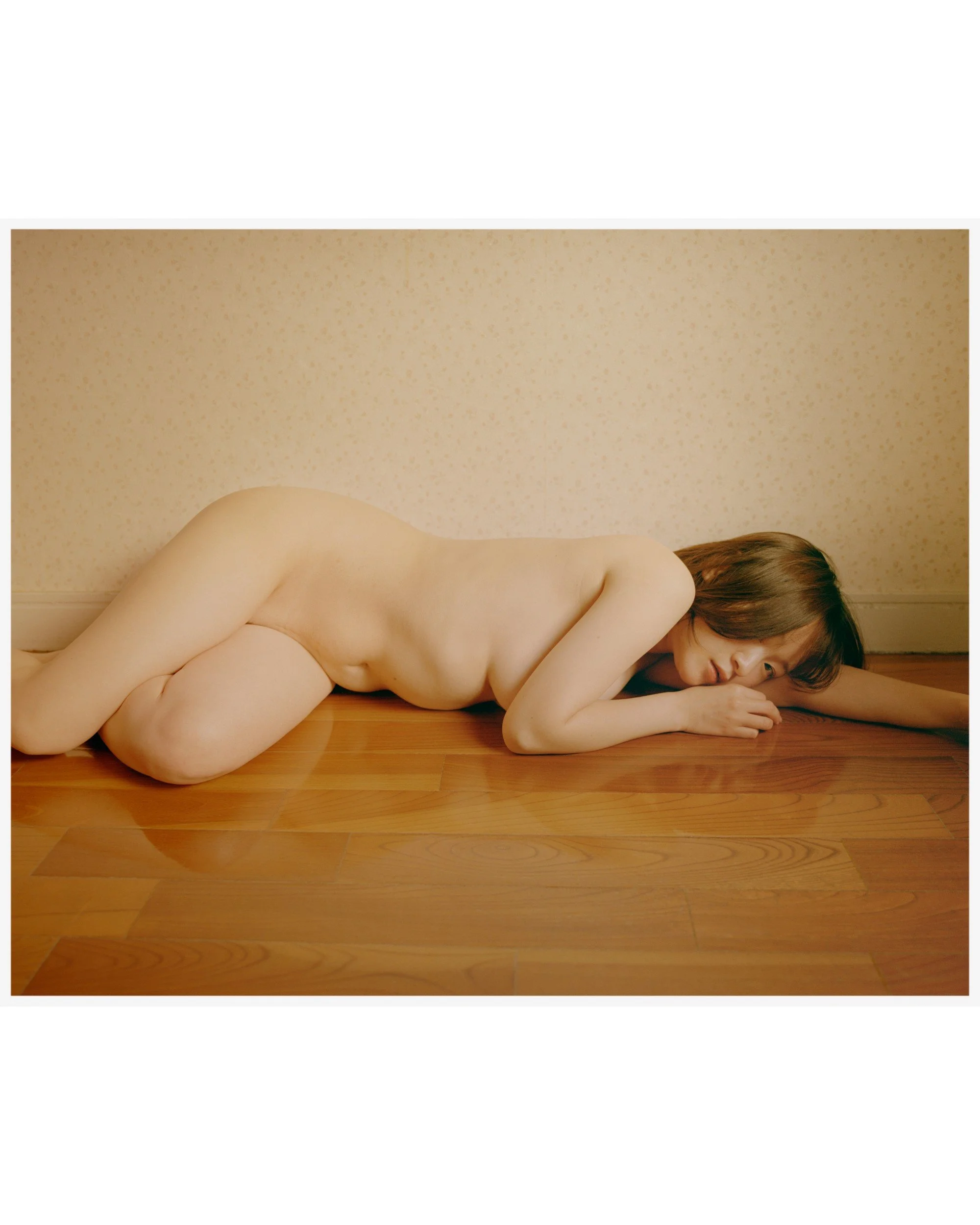
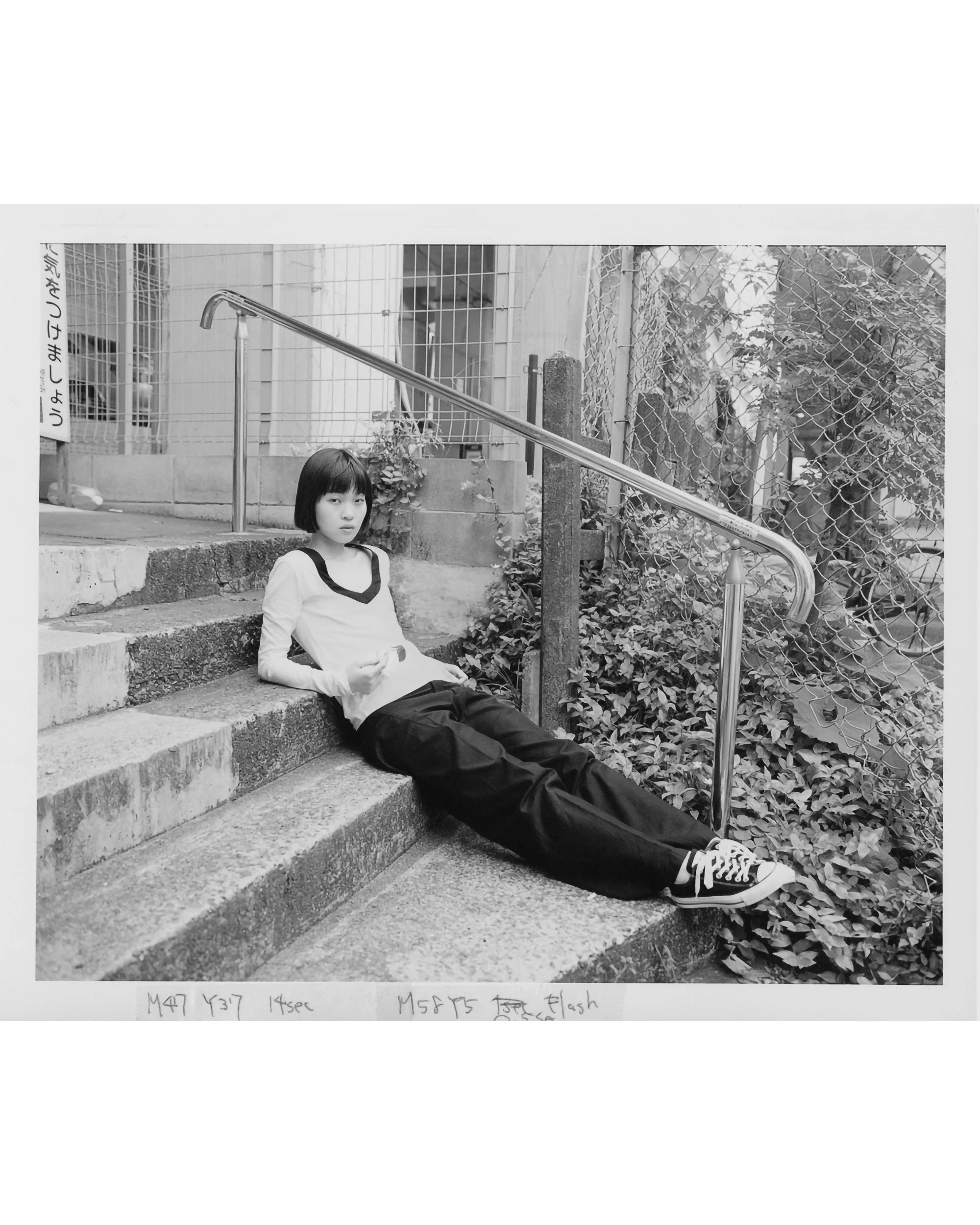
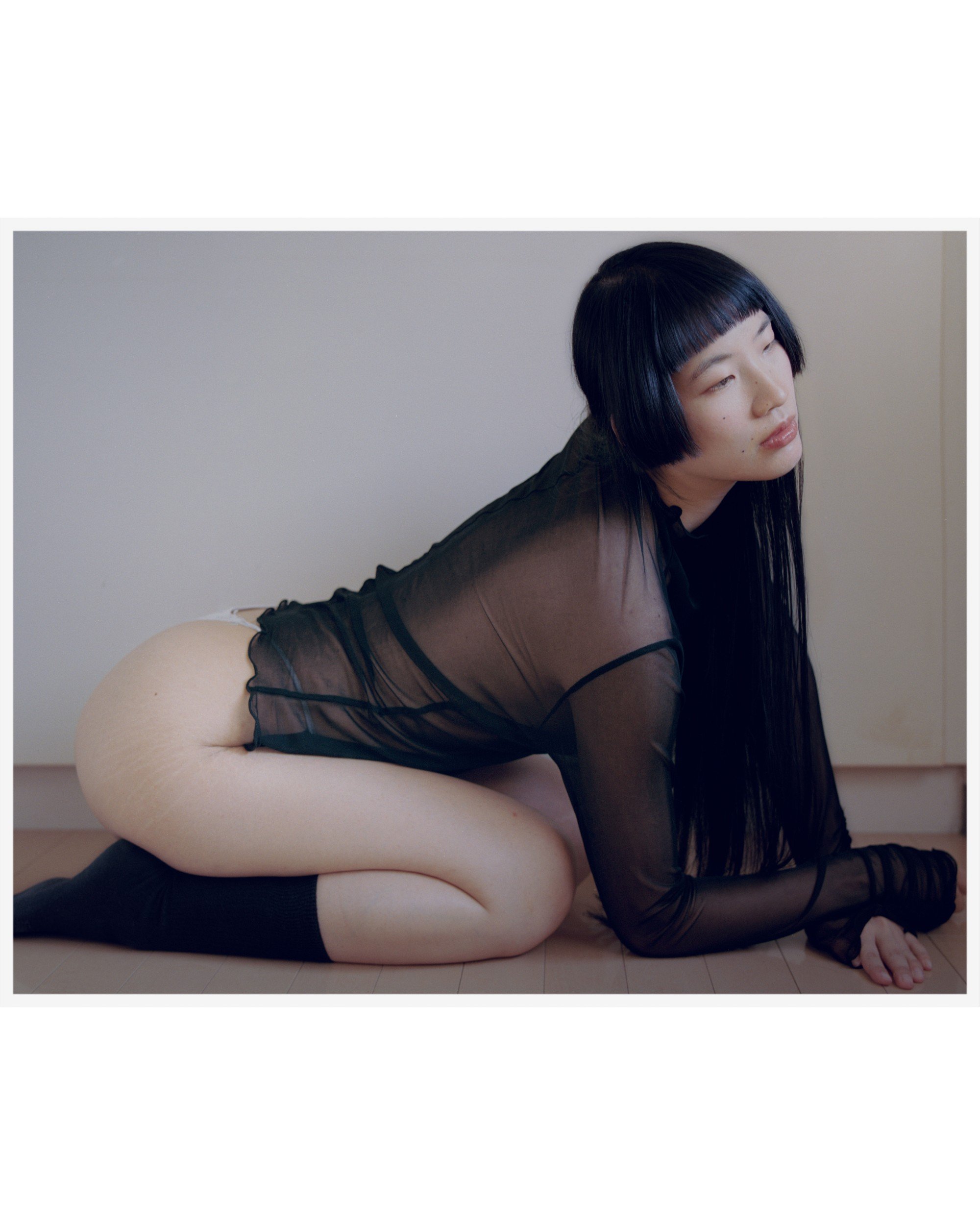
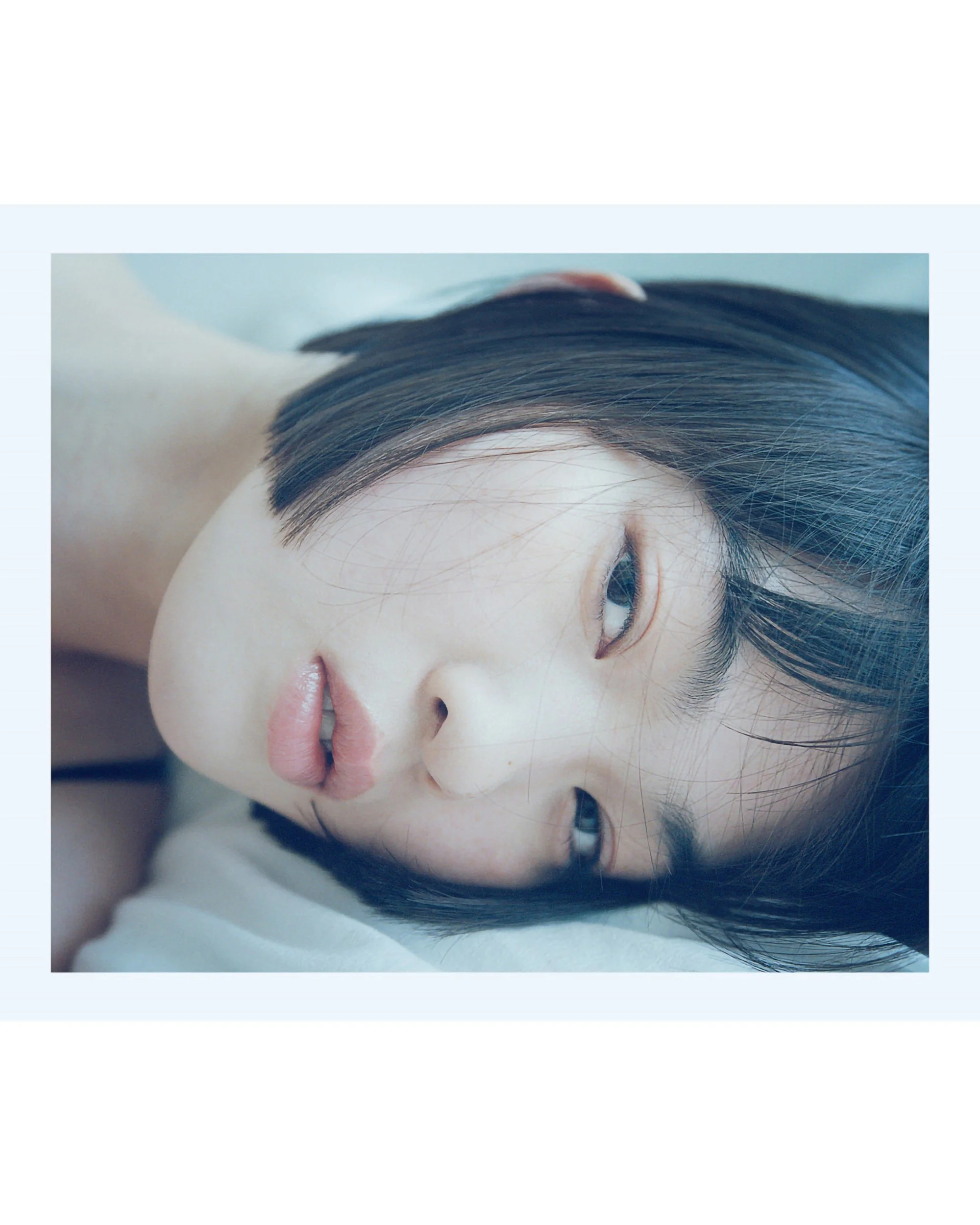
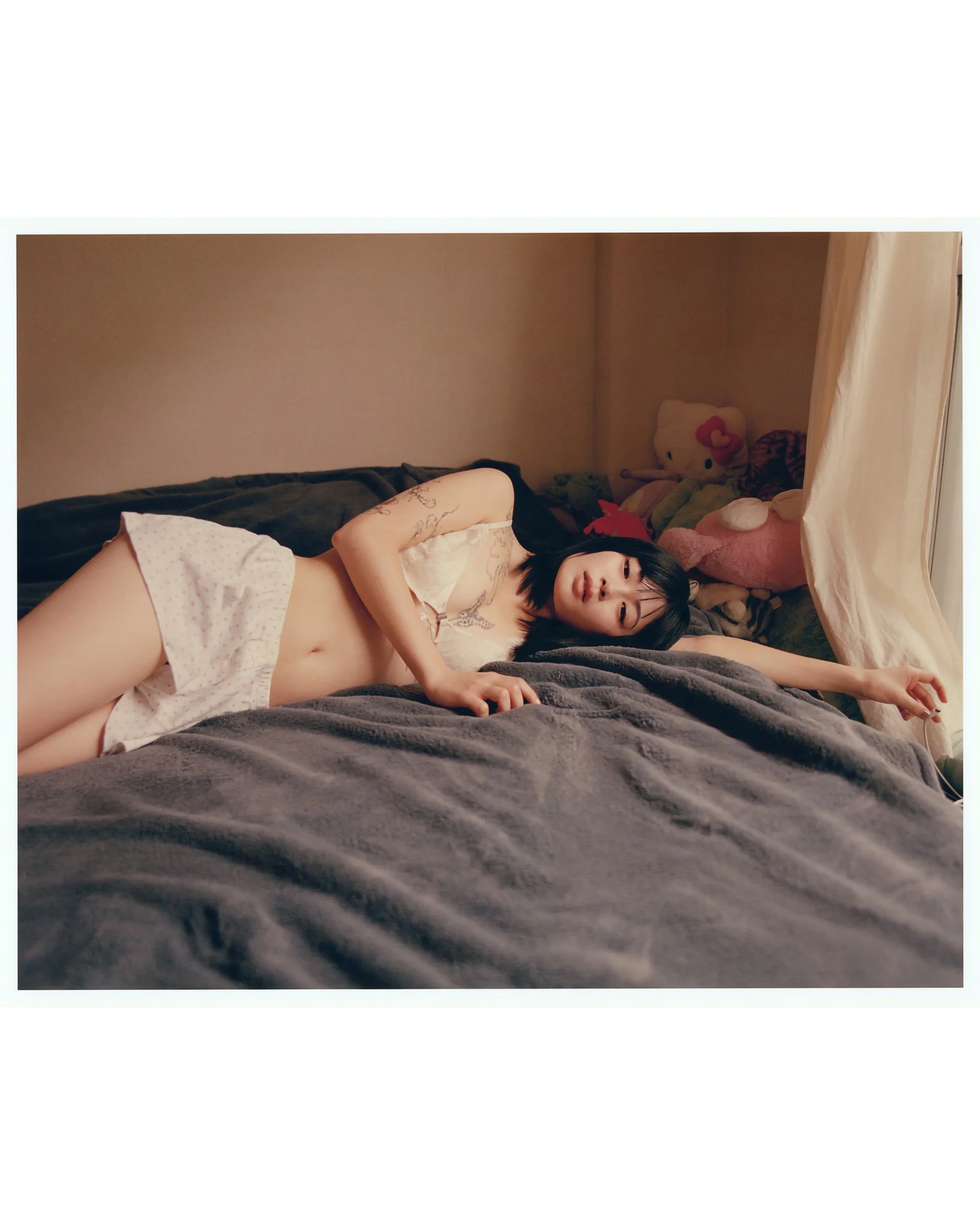
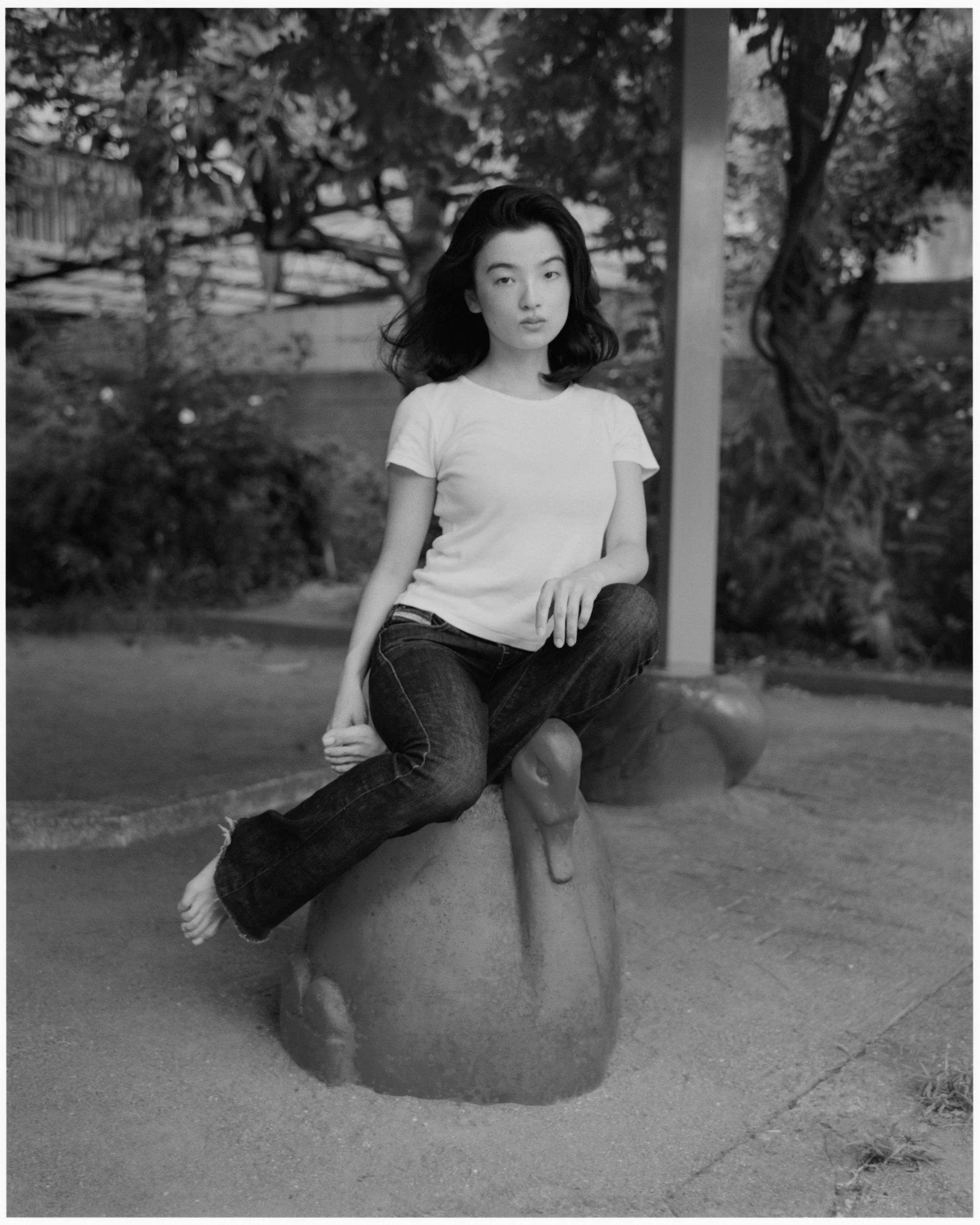
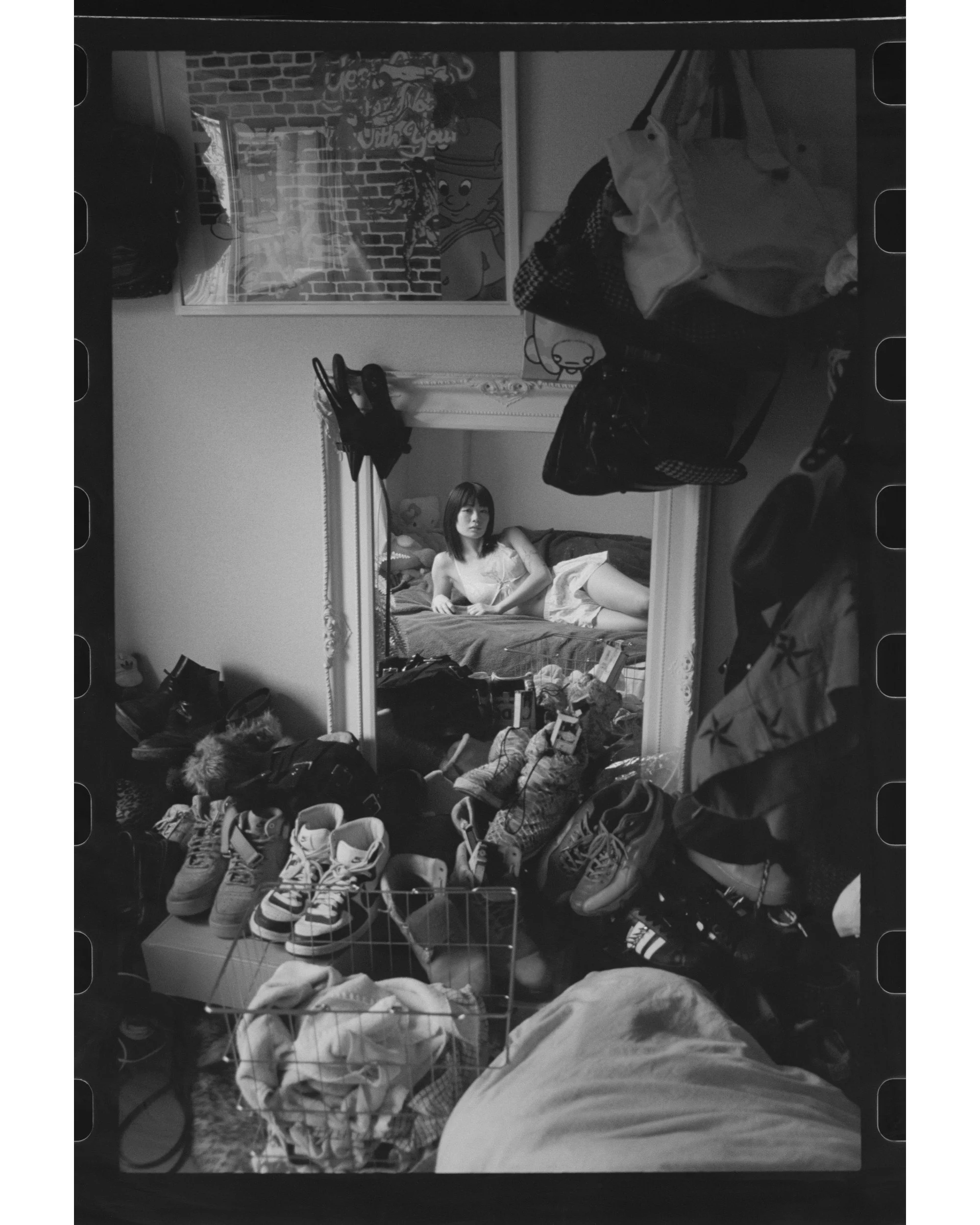
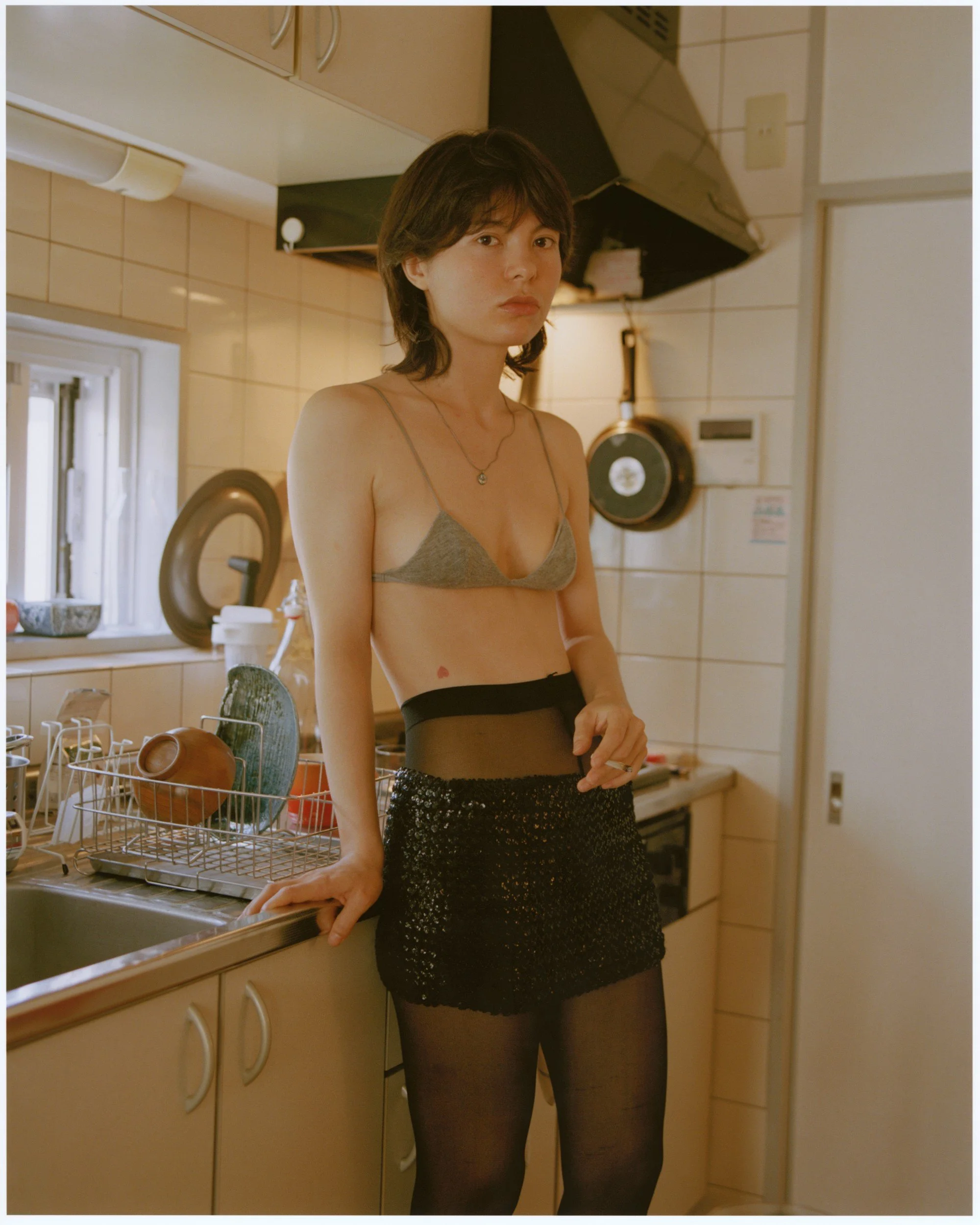
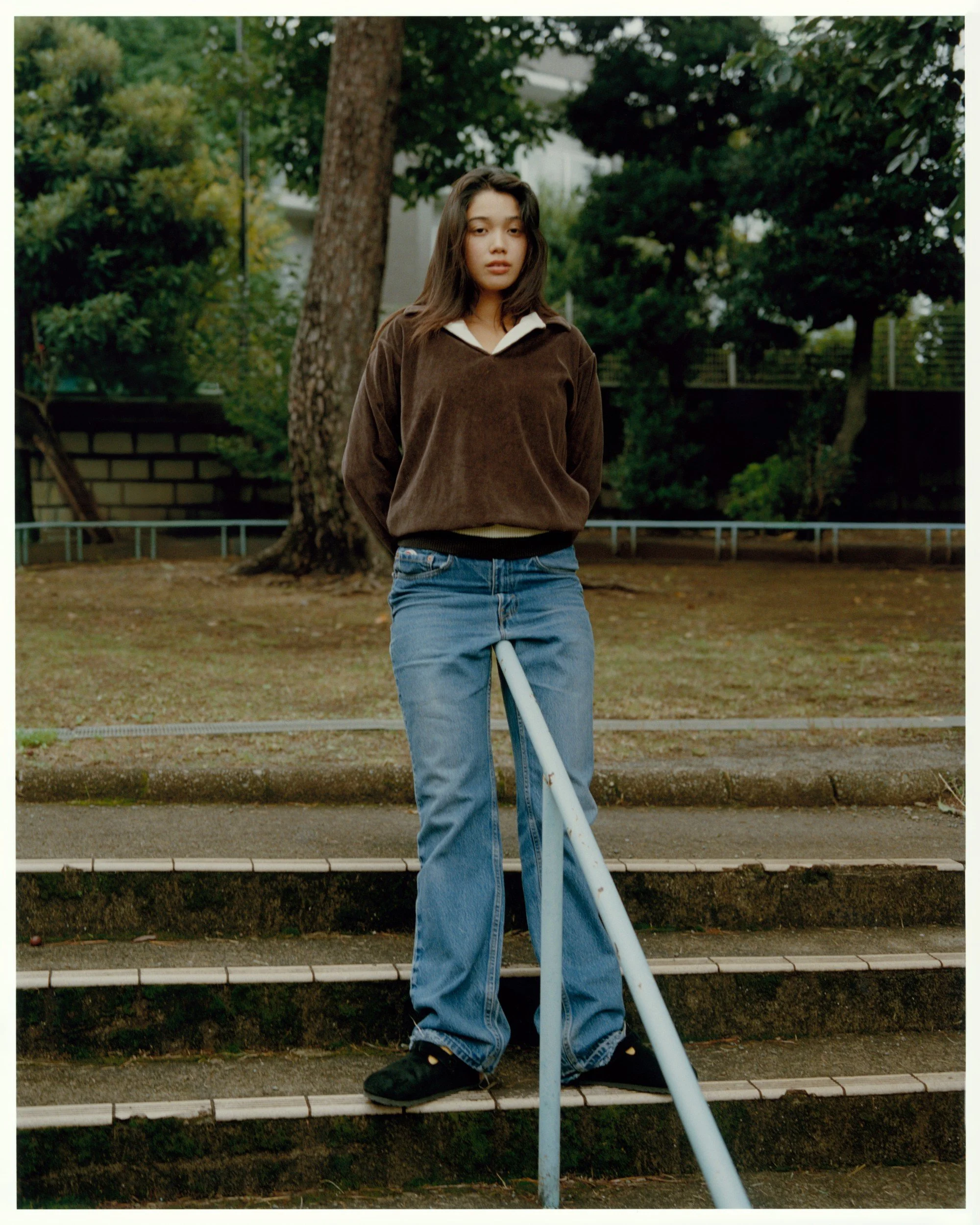
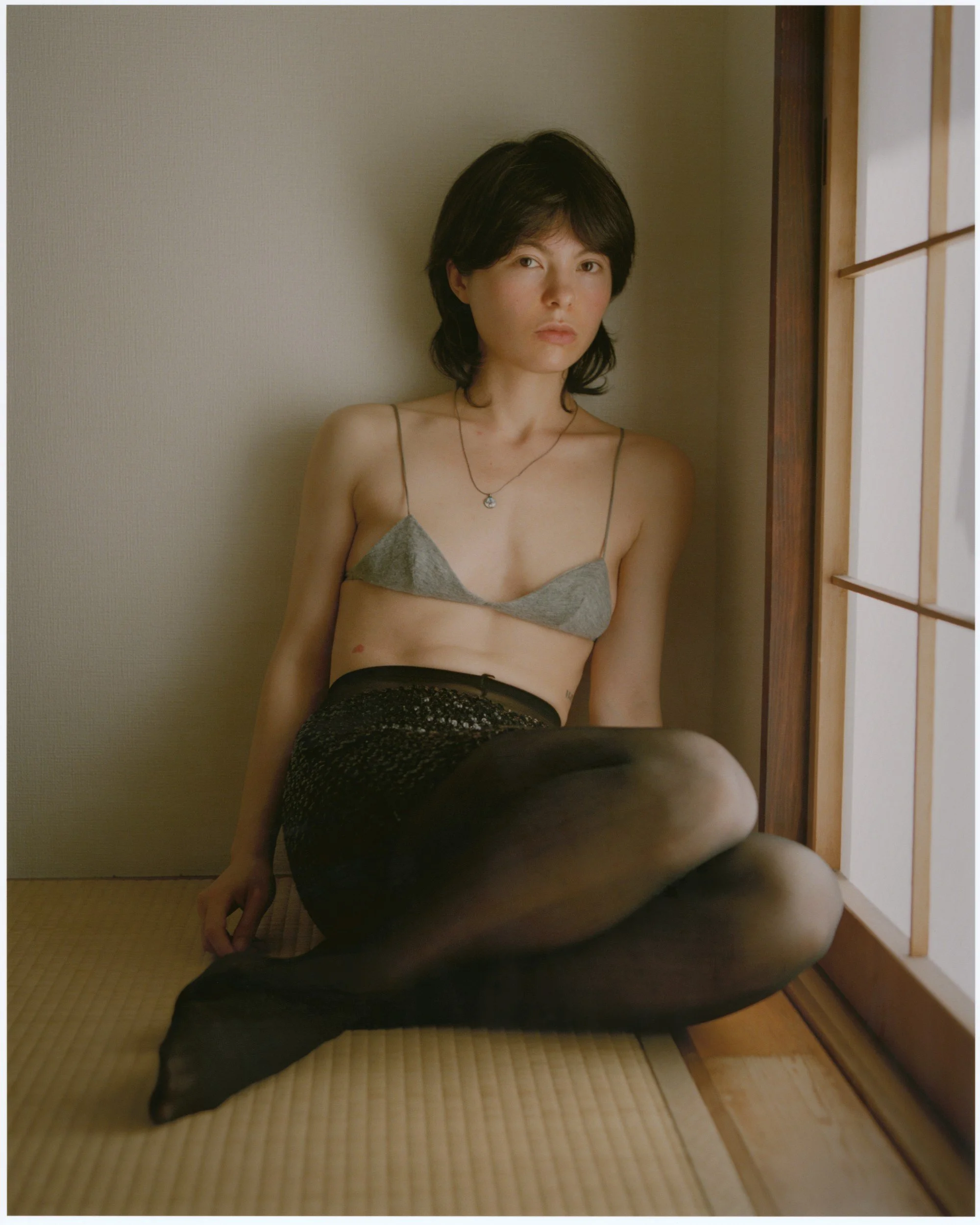
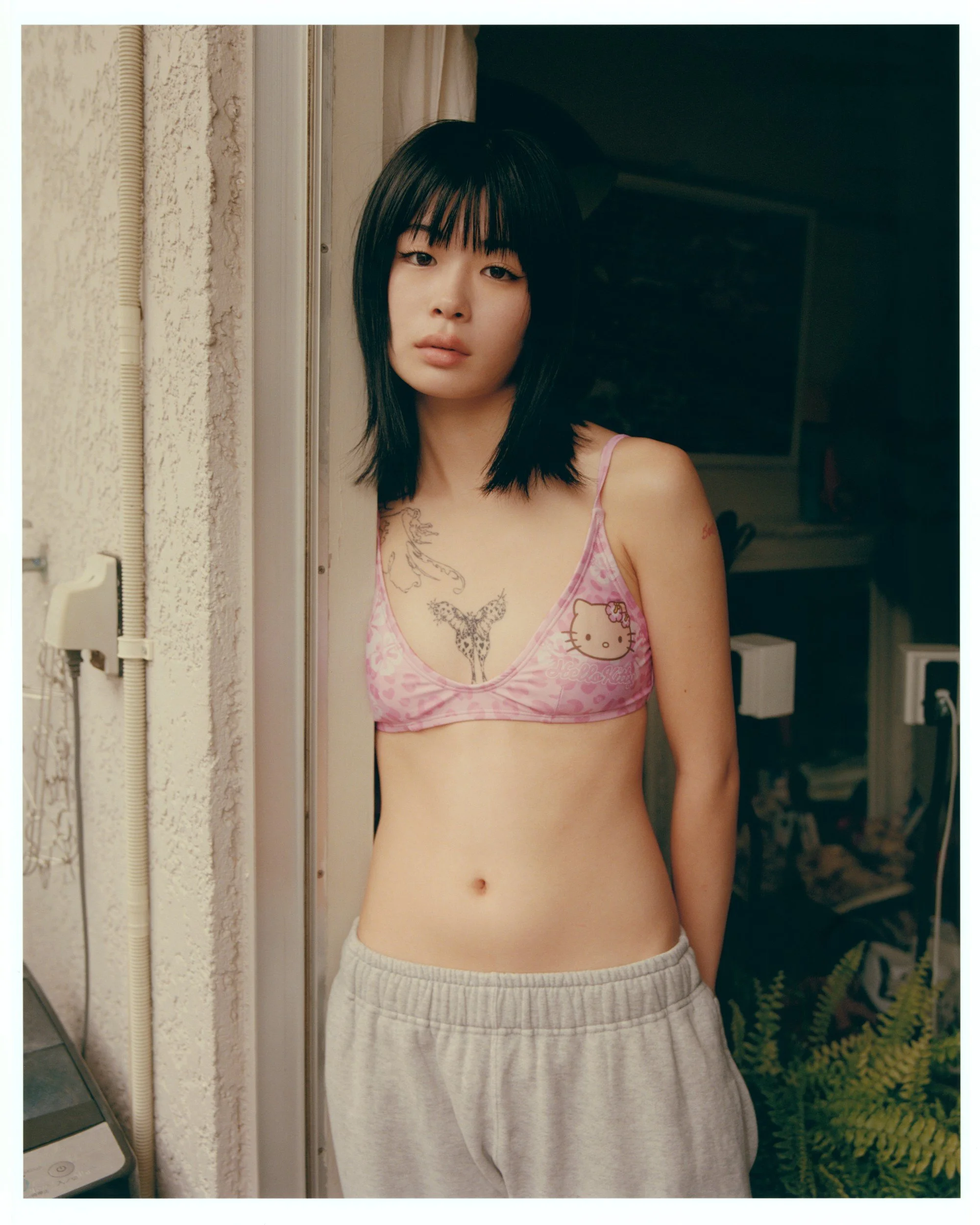
TOKYO GIRLS
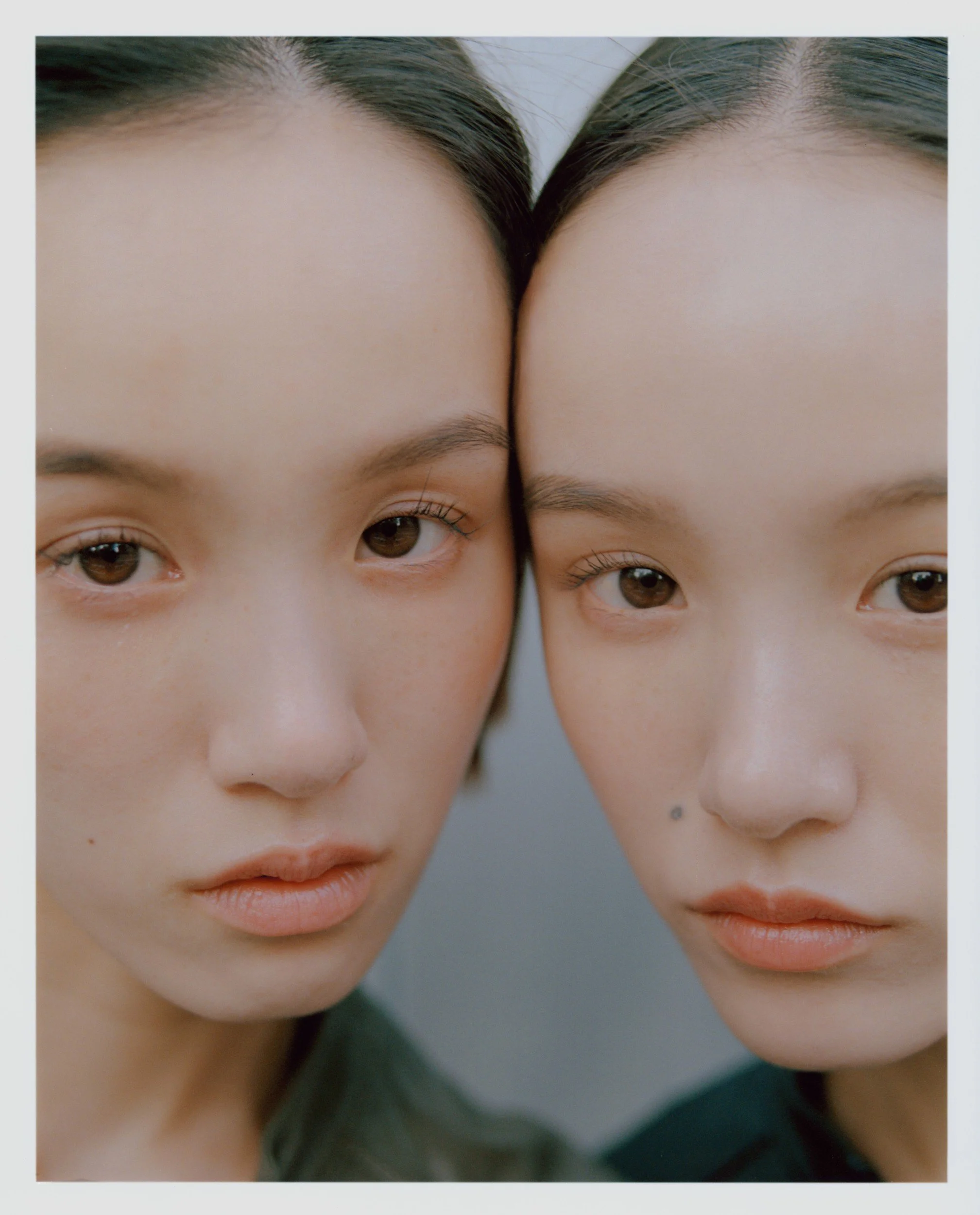
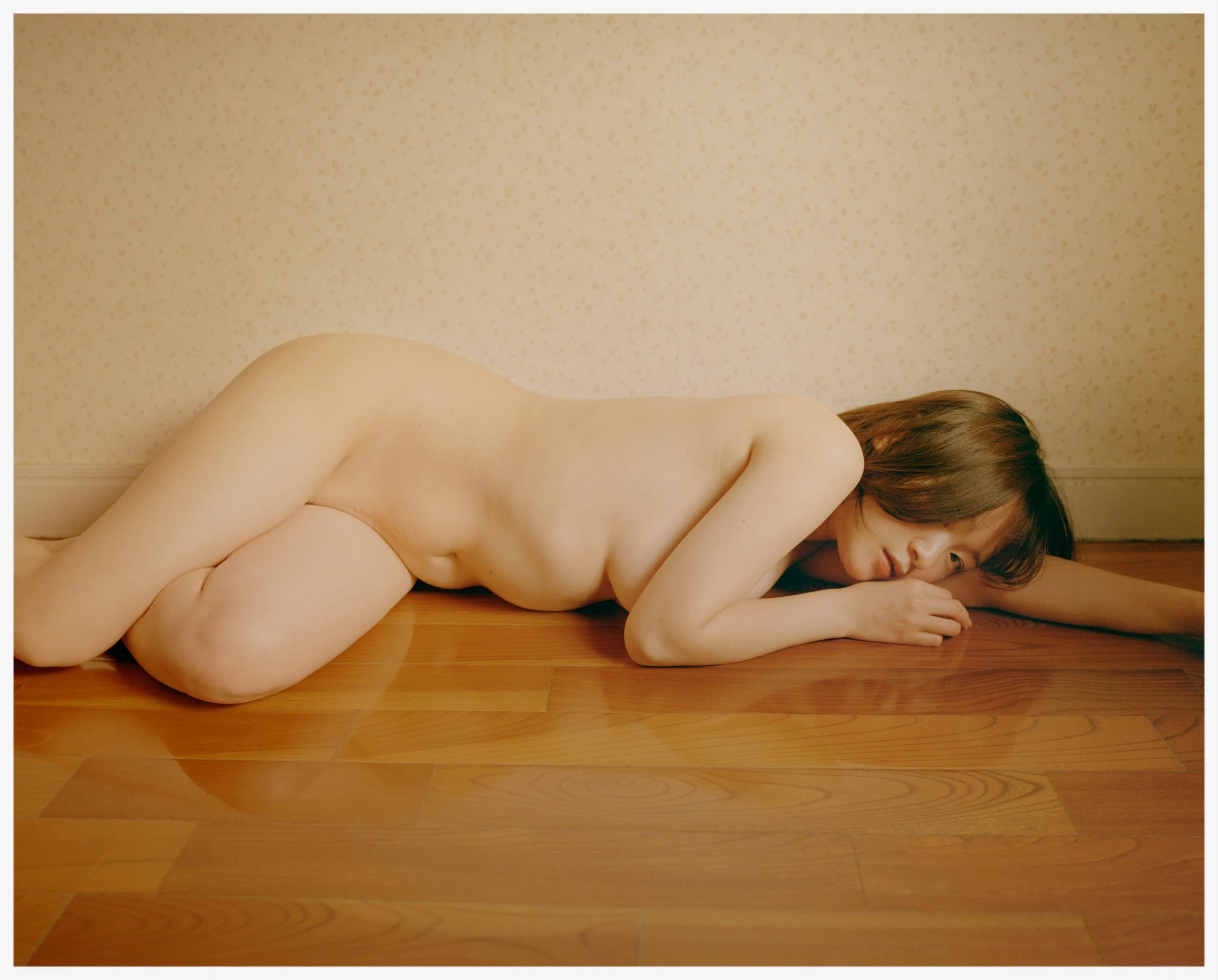
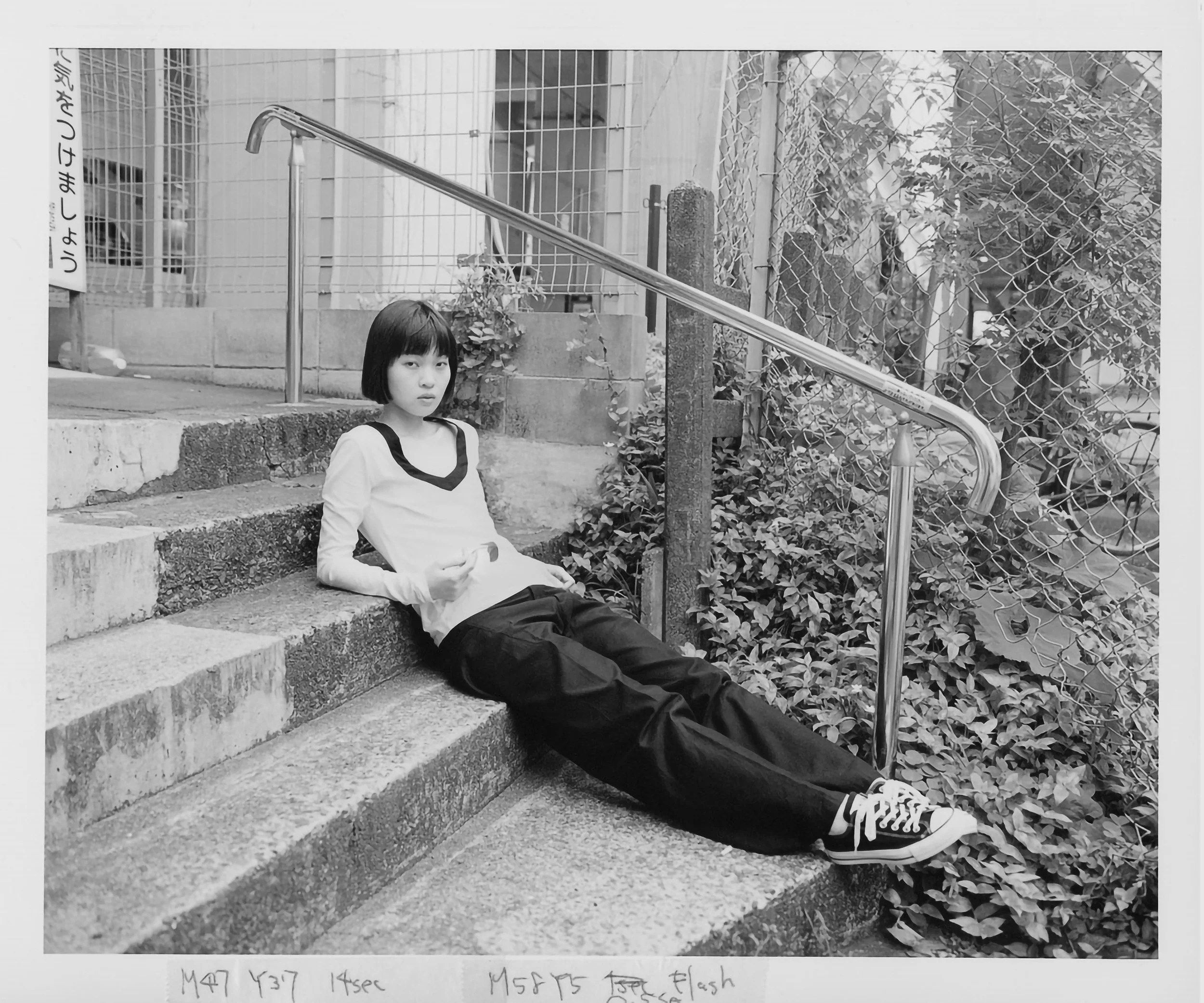
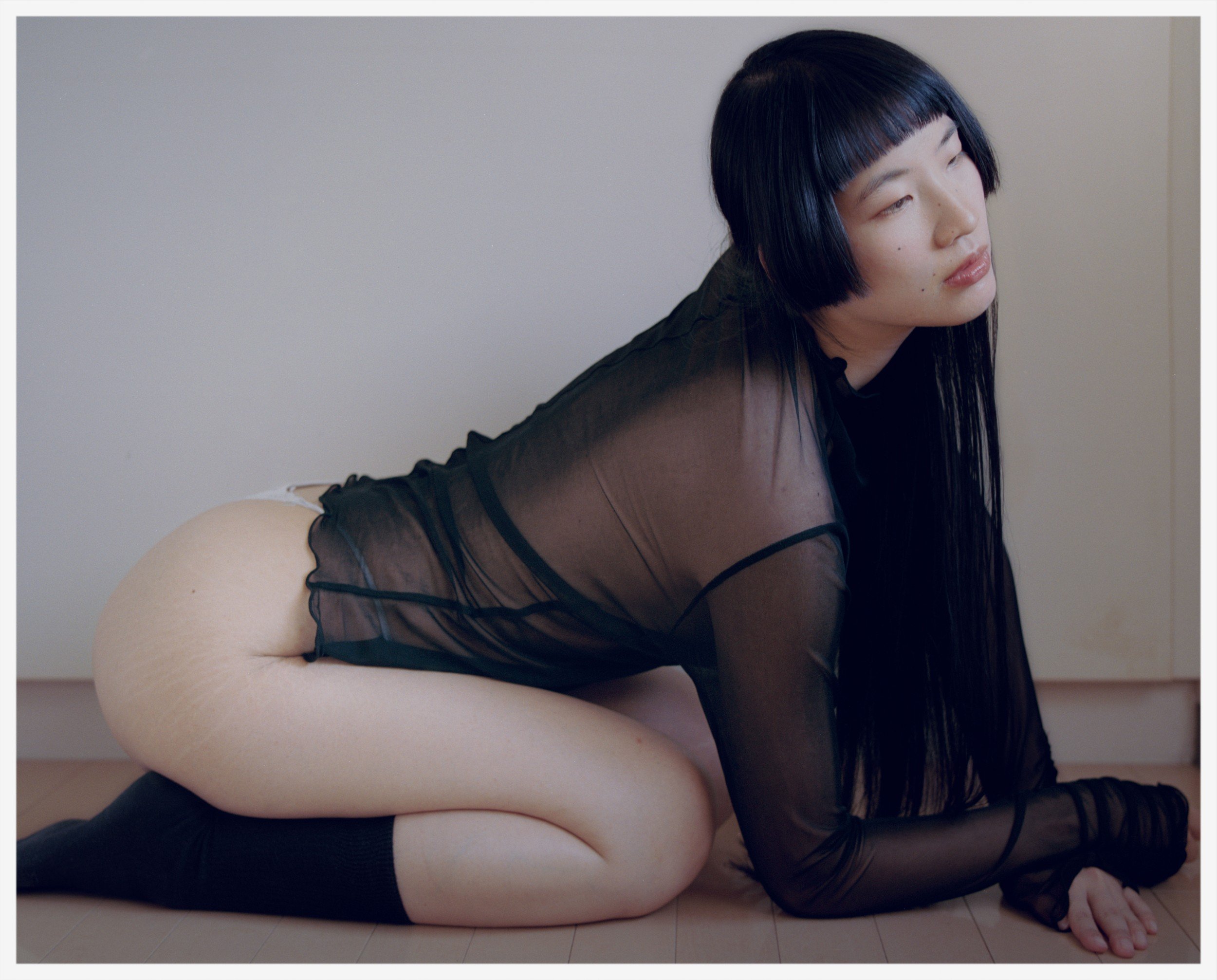
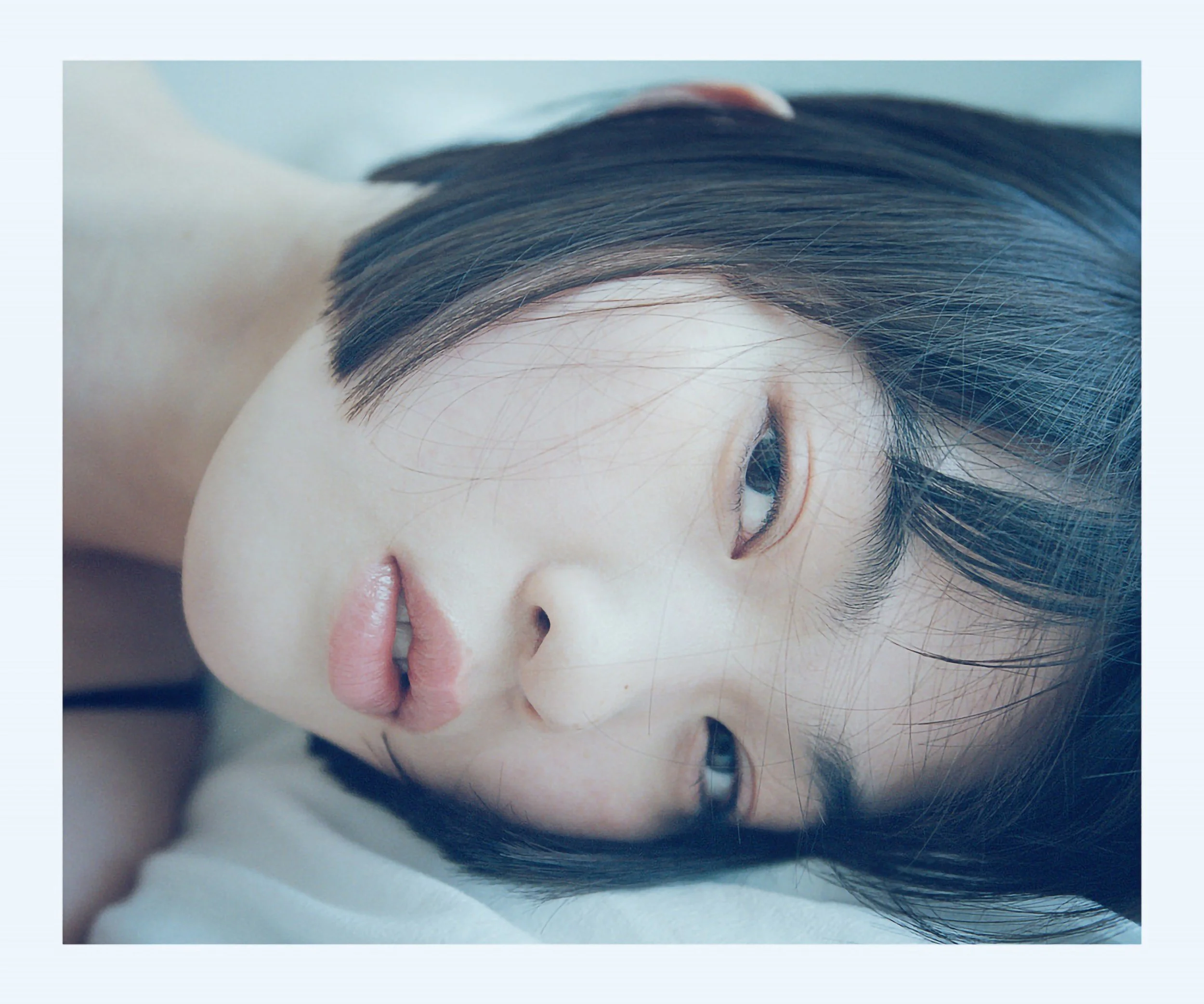
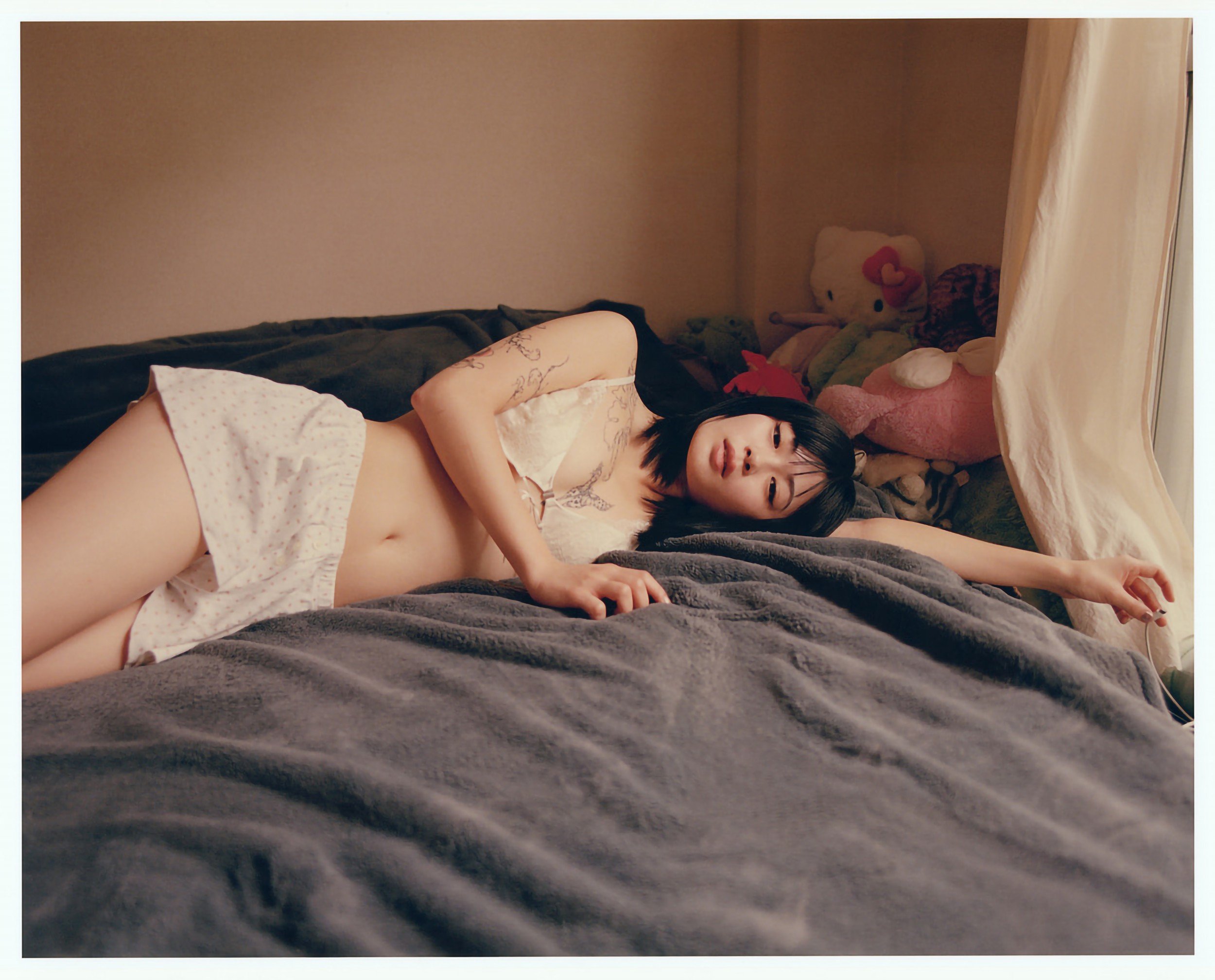
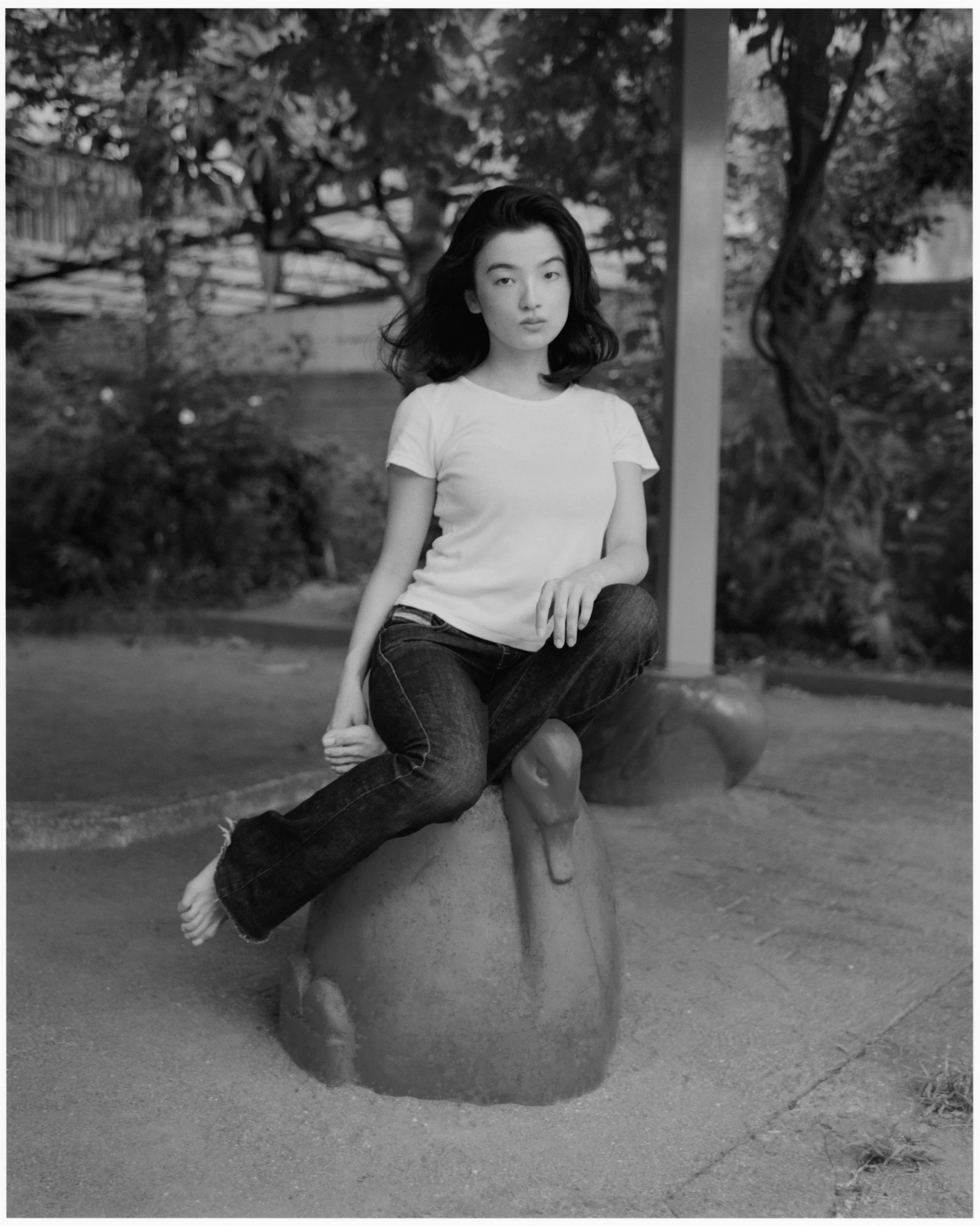
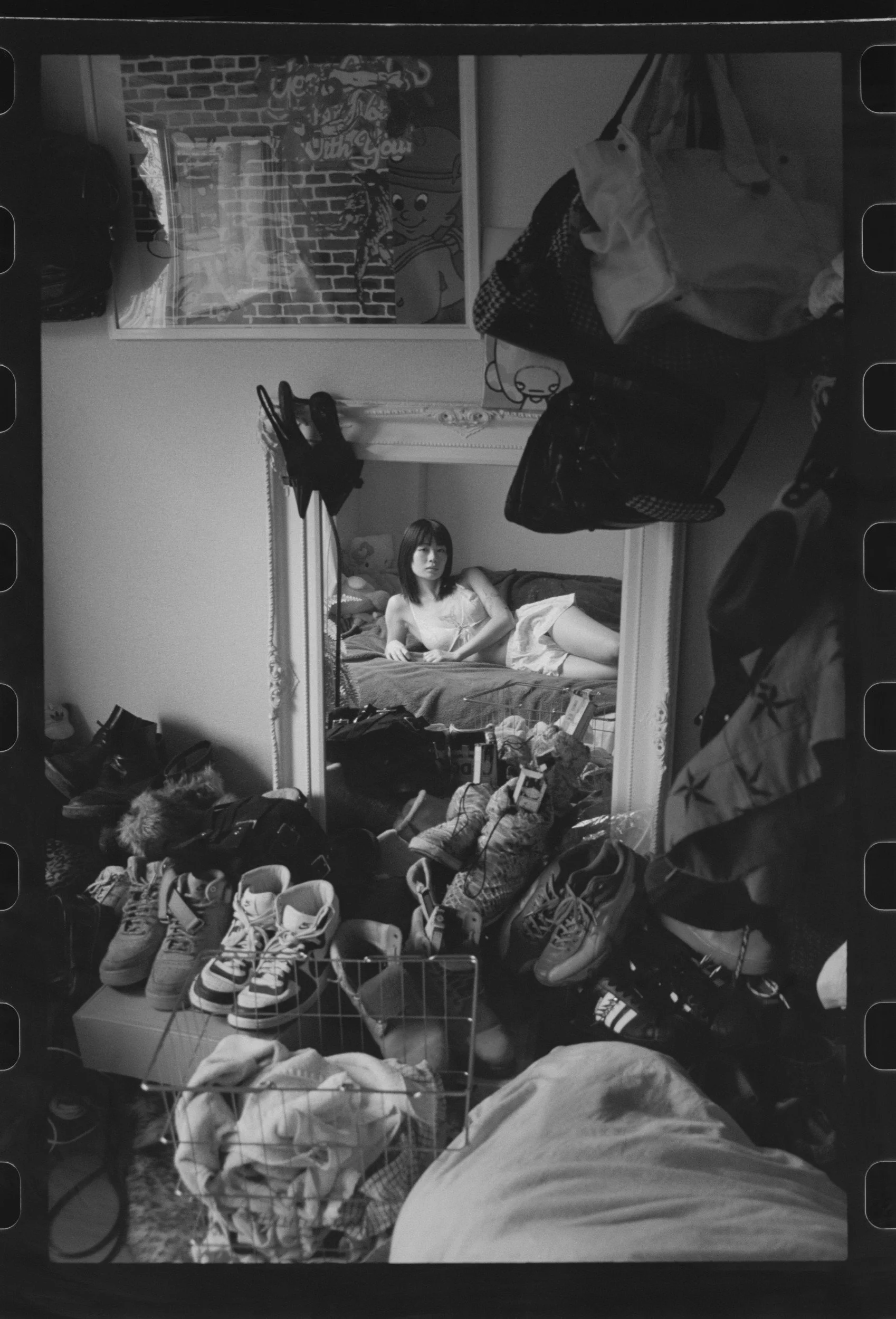
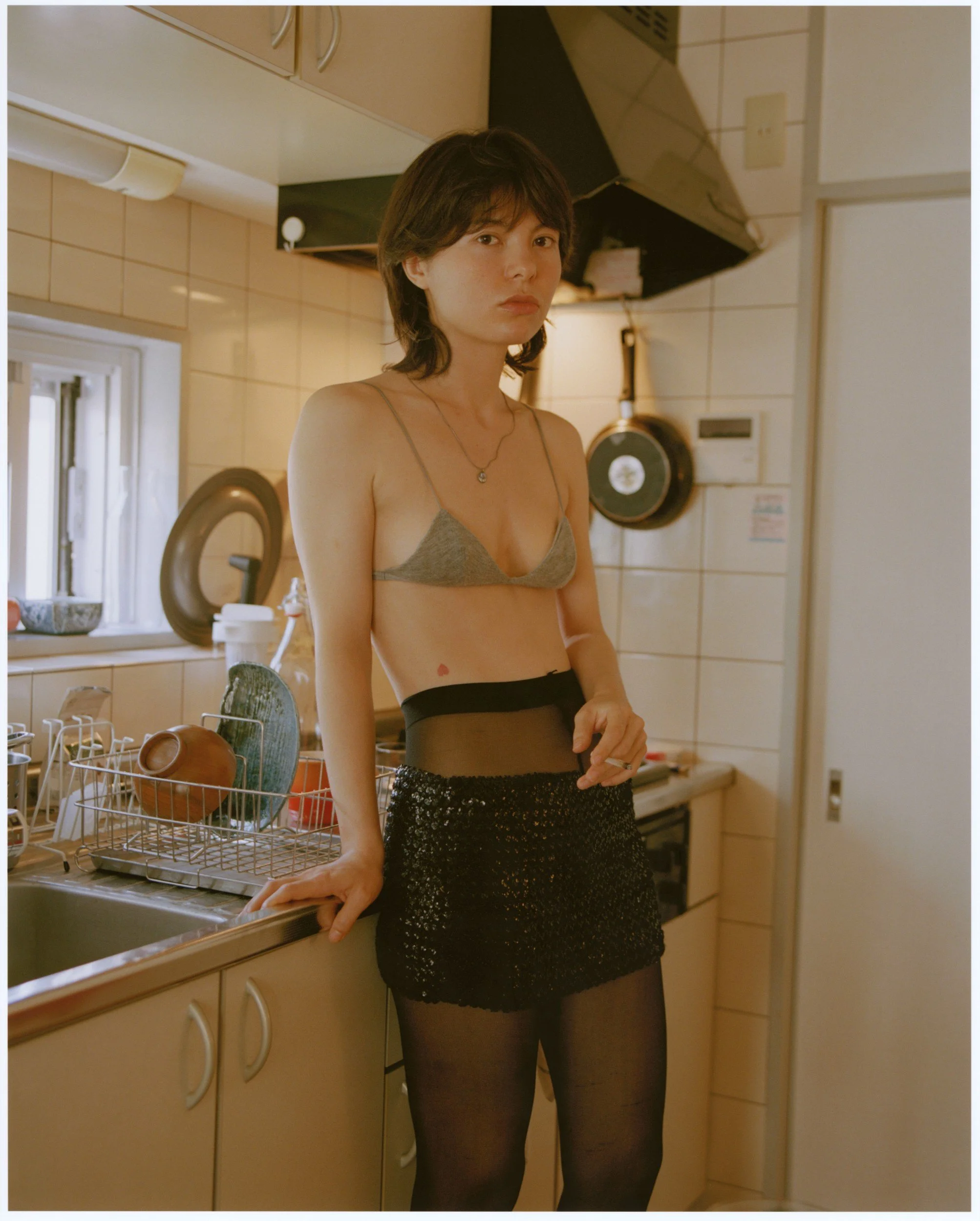
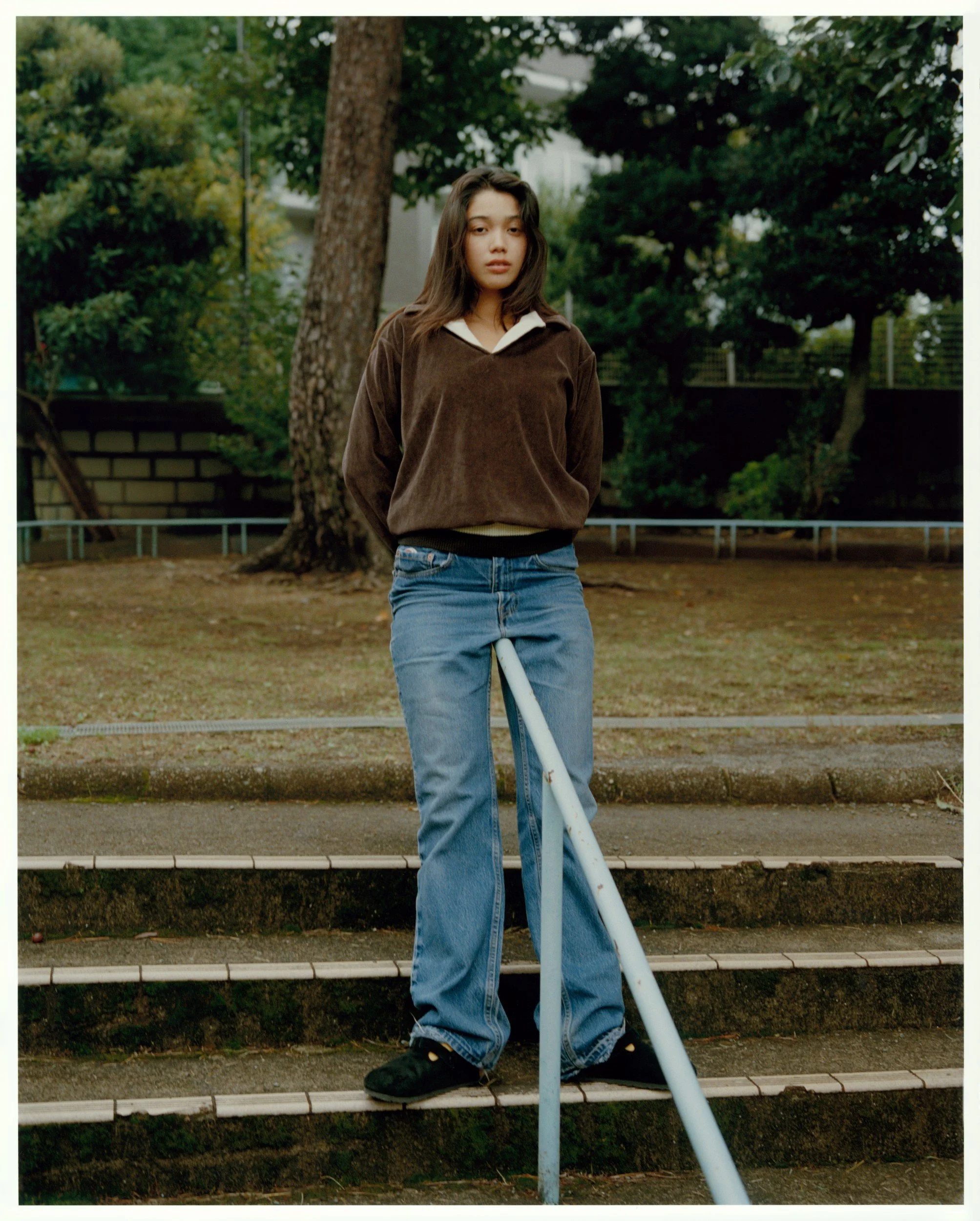
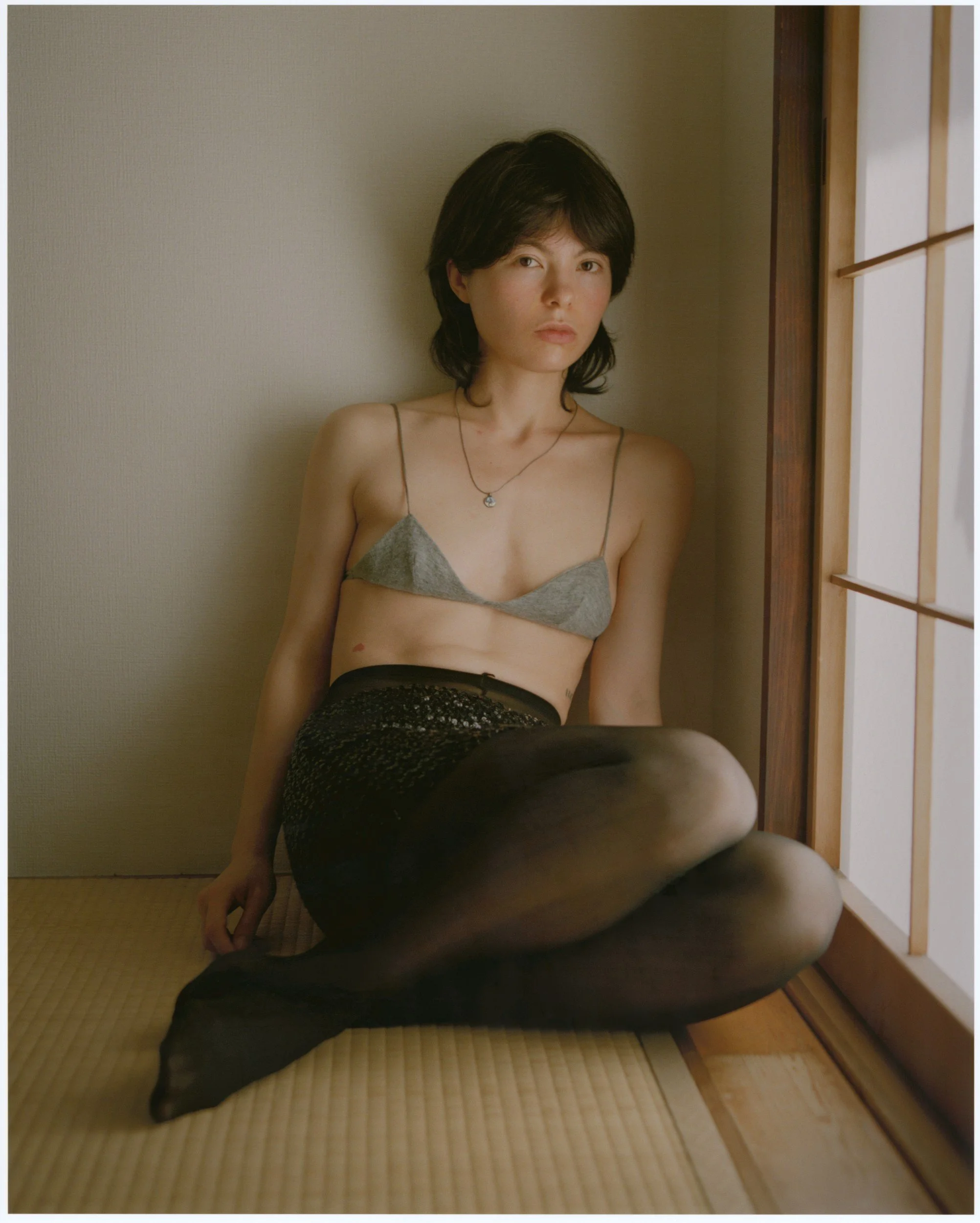
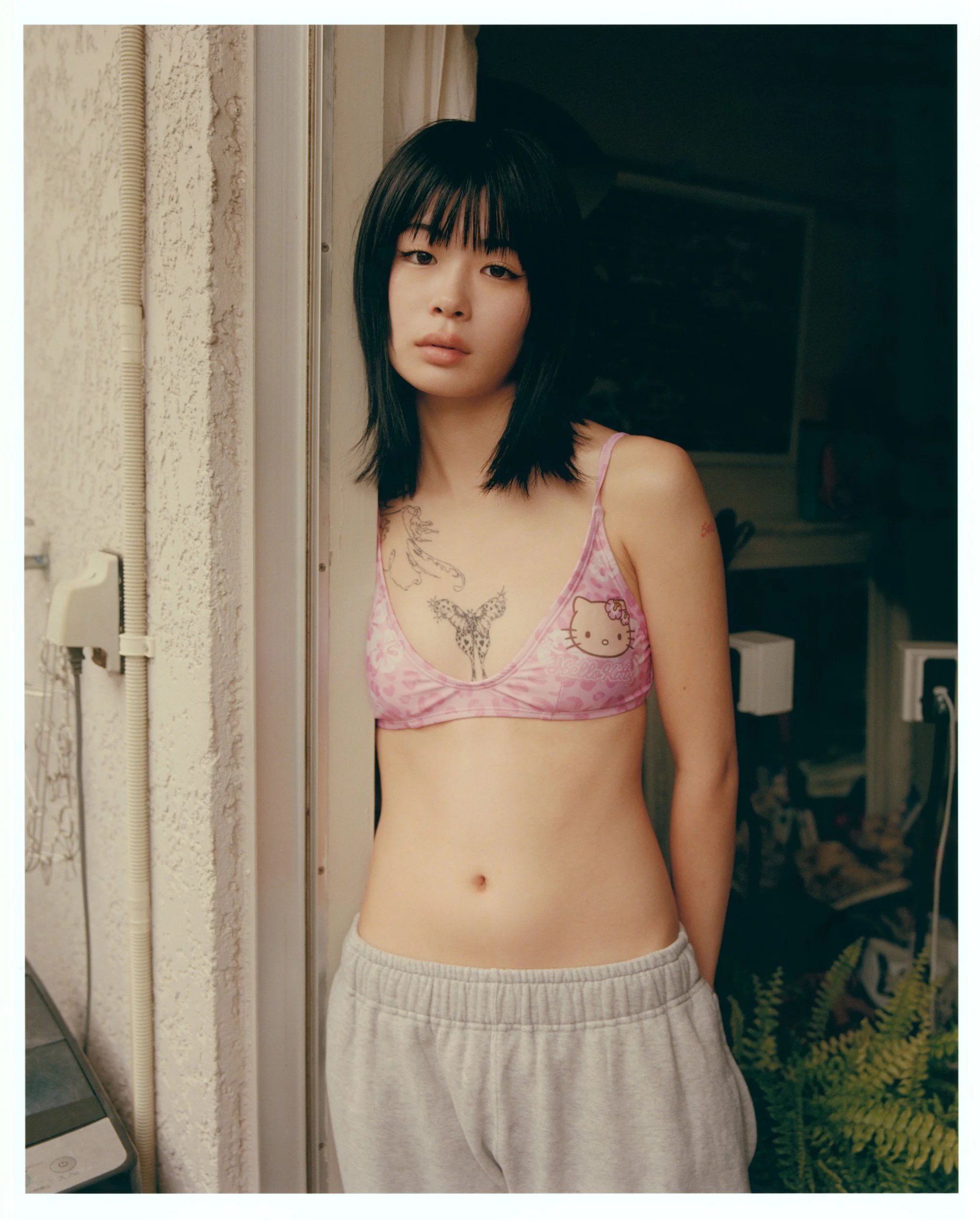
TokyoGirls
Piczo’s photography journey began while studying design in Tokyo. That initial spark led him to London, where he pursued the craft full-time and, together with a bold email to i-D Magazine that earned a personal reply from the editor, laid the first stepping stones on his path into the industry. Since graduating, and after two decades in the British capital, the Japanese-born photographer, originally from Osaka, has gone on to work with some of the best and biggest names in the business. From Louis Vuitton to GQ Magazine, Issey Miyake to The New Yorker, if you can think of a household name brand which involves fashion, chances are that Piczo has worked with them and captured a moment in their history through his own lens; not to mention the countless faces he has shot across the globe in both his editorial work and own personal projects.
For the latest issue of HardCOPY Magazine, Piczo shares how the ‘Tokyo Girls’ story came into fruition, where he finds inspiration, and where he sees photography’s place in the era of AI.
Jordan Wake: I want to start by asking you about your story ‘Tokyo Girls’ that you did for this issue. Can you tell me about it and how the story came about?
Piczo: I arrived in London when I was 22 and ended up staying for nearly twenty years. Last year, my wife, our dog, and I decided to move back to Japan, and I’ve been there ever since. Returning made me realise how little I’d focused on my roots, which inspired me to start photographing people in my community. That’s how the idea for Tokyo Girls came about. It all feels very fresh to me.
JW: Rewinding back to the start of your career, how did you get into photography and was it always something of interest to you?
Piczo: I studied Information Design at university in Japan, where photography was part of the course. That’s when I realised, I preferred being out in the world taking photos rather than sitting at a desk designing. After that, I moved to London to study photography at the London College of Communication (LCC) and decided to pursue it seriously.
JW: As your work portfolio is so varied, I’m interested to know where you find your inspiration?
Piczo: I draw a lot of inspiration from the person I’m photographing. When I take portraits, it’s important for me to get to know them first, rather than just capturing their image without understanding who they are.
JW: You’ve photographed many people throughout your career. When it comes to selecting someone to photograph, what is it that draws you to someone?
Piczo: The face is the element that initially draws me to someone, but what really interests me is how they respond to the world around them.
JW: It’s been half a decade since the COVID-19 pandemic which became a pivotal moment in your own career. What is it like looking back on that time and where you are now?
Piczo: It was a really sad time for me because I had to limit every aspect of how I photograph; however, I found new ways to practice my craft by photographing my wife during that period. In a way, it became a valuable time because it gave me time to reflect on my life and think about what I wanted to do next.
JW: As the digital age continues to rapidly speed ahead, where do you see the place of fashion magazines, and in turn photography within them, in the future?
Piczo: Media and magazines will always have a place, even as technology continues to change them. I think AI may reduce the role of photography as a purely creative tool, but capturing reality and memory will become even more precious to us as human beings.
Read the full feature in HardCOPY Vol.2
Purchase Vol.2