
TONY DAVIS
Tony
Davis
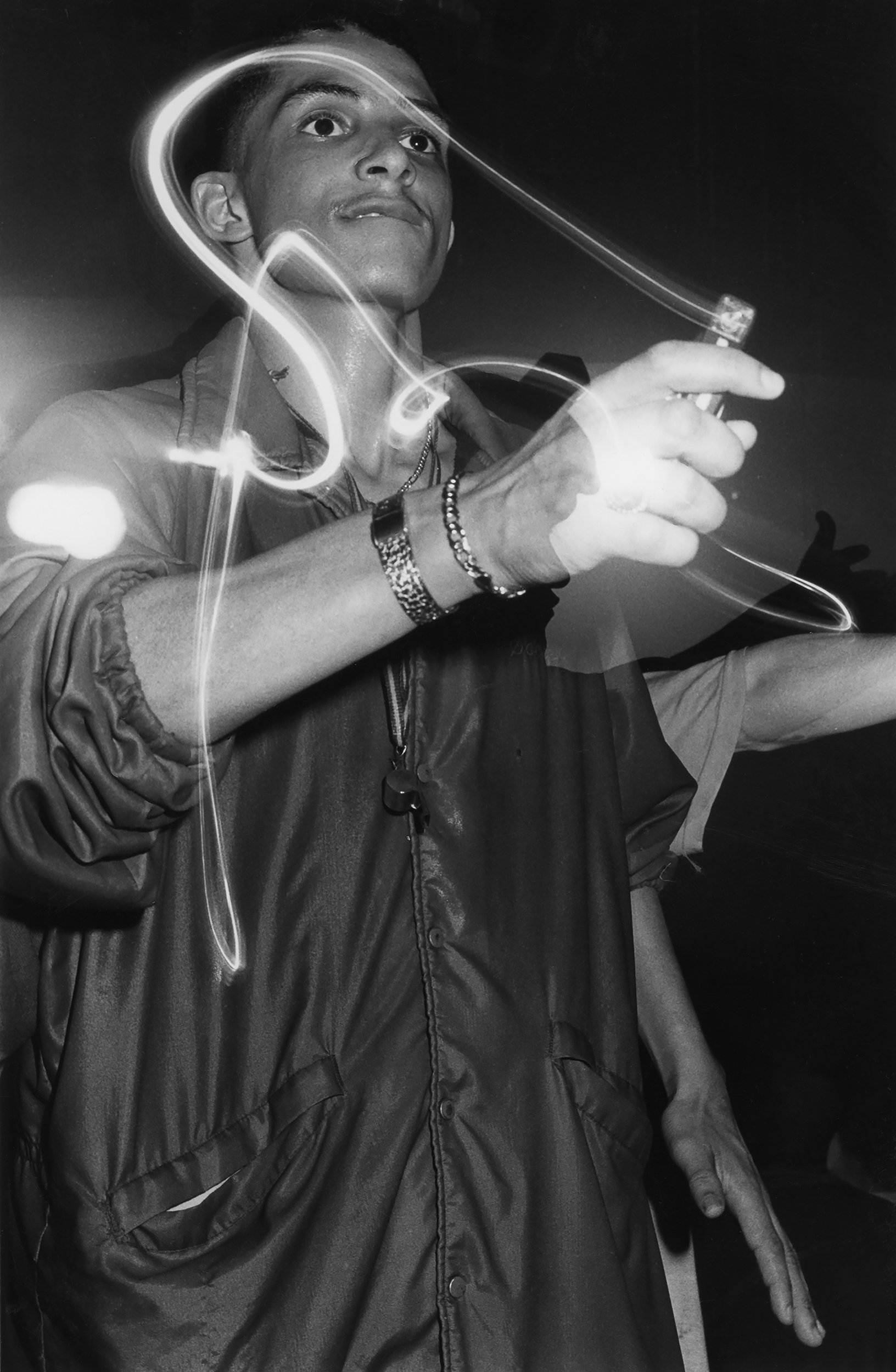
Responsible for creating some of rave’s most celebrated images, Tony Davis is the British photographer whose work captured the raw pulse of ’90s youth culture. Davis captured a generation in motion, from UK football terraces and warehouse raves to Rimini boat parties and Ibiza beaches.
In this interview, he reflects on his early life in Nottingham, where he grew up following subcultures such as Northern Soul and Punk. He began studying photography in the early ’90s and, simultaneously, immersed himself in the rave scene purely as an observer. We discuss access, authenticity, and the challenges of capturing fleeting moments with limited resources. What comes through is not only the story of a photographer but of a chronicler of an era whose influence still shapes the cultural zeitgeist.
Edited by Alexandra Georgette Oley & Lina Levein
OLLIE EVANS: How did growing up in Nottingham inform your photographic work?
TONY DAVIS: I’m a ’70s kid, and I grew up surrounded by youth culture. I grew up poor as shit on a council estate. Back then, music scenes were really defined. I started with Northern Soul, moved on to Punk, and later got into Two-Tone and the other different post-punk movements. I never really got into the retro mod thing, though I did see The Jam and bands like that. My mates were part of the music scene, so youth culture and music ended up defining what I was interested in and how I photographed years later.
The biggest body of work I’ve created centres around football terraces. I grew up on them and followed football week in and week out. Football and music were the two big influences that shaped both my life and, later, my photography. I came to photography as a mature student in my late twenties, which is when I was photographing raves. Still, in my sixties, I’m a youth at heart, but really my work has always been shaped by what I was doing and experiencing at the time. I could have photographed all sorts of things, but I returned to what I knew, how I’d grown up, and what I naturally responded to. Growing up in a provincial town, we had a surprisingly rich mix of music culture and plenty happening in and around the area, so there was always something to tap into.
My dad dabbled in all sorts of hobbies back then. He played around with photography, so the house was full of camera equipment. I’d help with developing film, but my real interest in photography didn’t kick in until a lot later – probably when I was in bands and making images for backdrops. Shooting Super 8 began in the ’80s rather than the ’70s, and it didn’t interrupt my youth in any way. I lived it fully, which is why those pictures of the kids at raves feel so honest to me. People say, ‘Oh, you’re a raver,’ and I always say, ‘Well, I did rave, yeah, but by default.’ At heart, I’m more of a Northern Soul boy from the Wigan Casino era. And all through the ’80s, I was still out in the clubs as well.
OE: What was it about youth culture that fascinated you enough to want to document it?
TD: I wouldn’t even say I set out to document it. It happened by accident. A lot of people I studied with were younger and would go to raves. They’d spend £20 on [ecstasy] and another £20 to get in. During the ’80s I thought, ‘Jesus! You must be some rich kids to be able to do that’.
I went to Ibiza in ’89 as a holiday. I lost my job almost strategically and started photo college, so it was all in that space of time. I didn’t shoot anything then. The photos I have are from later trips to Ibiza and Rimini. I think the youth culture thing was a little bit of inquisitiveness really because I’d been photographing football grounds and things that were familiar and accessible.
If you wanted to photograph bands, you really needed to know people. You had to start with small bands, put the time in, and commit to being a music photographer. I did a bit of that, but I had no interest in chasing the big bands as a career. Do I wish I’d photographed Nirvana, Oasis and the rest back then? Of course. Some of the music stuff I did shoot only happened because someone else was interviewing them and dragged me along. I never saw myself as a music photographer. I was always more interested in people.
Somebody said, ‘You didn’t just capture the way we looked; you captured the way we felt.’
That was probably the biggest compliment really… it meant something to somebody who was actually there.
OE: Do you think it was more the grassroots and the people involved that interested you rather than the celebrity angle of it?
TD: Yeah, definitely. I had no interest in celebrity culture, rock stars or sports stars to that extent. I was always more interested in people. A big theme of mine is watching the watchers. I source a lot of my inspiration from French and American documentary photographers. Many of them photographed people without them noticing. They were unobtrusive, light on their feet, and blended into the scene.
I tried to deconstruct in my head first, almost to pre-visualise what I wanted. Then I would just relax and watch people for a while, rather than charging around in a ham-fisted way, saying ‘great, great, great’ at everything. As soon as people see a camera, they’ll react to it. They’ll jump in front of the camera, pull a face, wave their hands, or blow a kiss because they think, ‘Oh, this is about me’.
A lot of my rave pictures came from simply observing people. I’d watch them for a moment, step in close, take a couple of frames – pop, pop – then step back with a quick, ‘thank you’. Most of the time they were completely unaware I was photographing them, even though I was practically standing on their toes. I guess that way of working comes from my own youth, being on dangerous football terraces, in packed nightclubs, just navigating busy, sometimes edgy environments. You learn how to move through crowds, read the room, and not draw attention. I suppose a bit of maturity helped too.
OE: That’s one of the things I love about your work – how observational it feels, with no one directly posing for the camera.
TD: Partly the influence of other photographers because I spent quite a lot of time studying other photographers’ work in the early ’80s. I always thought it was completely out of reach for me. I just thought, ‘this is really special photography’. I didn’t think I could do it.
I knew I could take pictures, but I didn’t think I could do it that way. That kind of work came almost naturally to me. It was about using my head and thinking about what kind of images I wanted to produce. And then you respond to things emotionally. It was empathetic, really, when you feel what they’re feeling.
Years ago, someone had commented online saying, ‘You didn’t just capture the way we looked. You captured the way we felt,’ and I think that’s probably the biggest compliment. To me, that’s more important than some accolades because it meant something to somebody that was actually there and was part of something. That’s quite sweet in a way. I dug all this out during lockdown in 2020, so nobody had seen it for years.
OE: What drew you to the rave scene as a subject matter?
TD: It felt current. I grew up listening to dance, soul, and progressive music, so I was always curious about what was going on. In Nottingham, it was innovative and interesting, and even though I wasn’t that drawn to the huge raves, I was fascinated by their impact on the smaller, community-led raves and the club scene. A lot of my photos capture that club scene. As the big raves started closing down, the scene moved into clubs. It became more underground, a bit exclusive, which was really interesting. Of course, places like Amnesia, Shelley’s, and Stoke were still big warehouse clubs too.
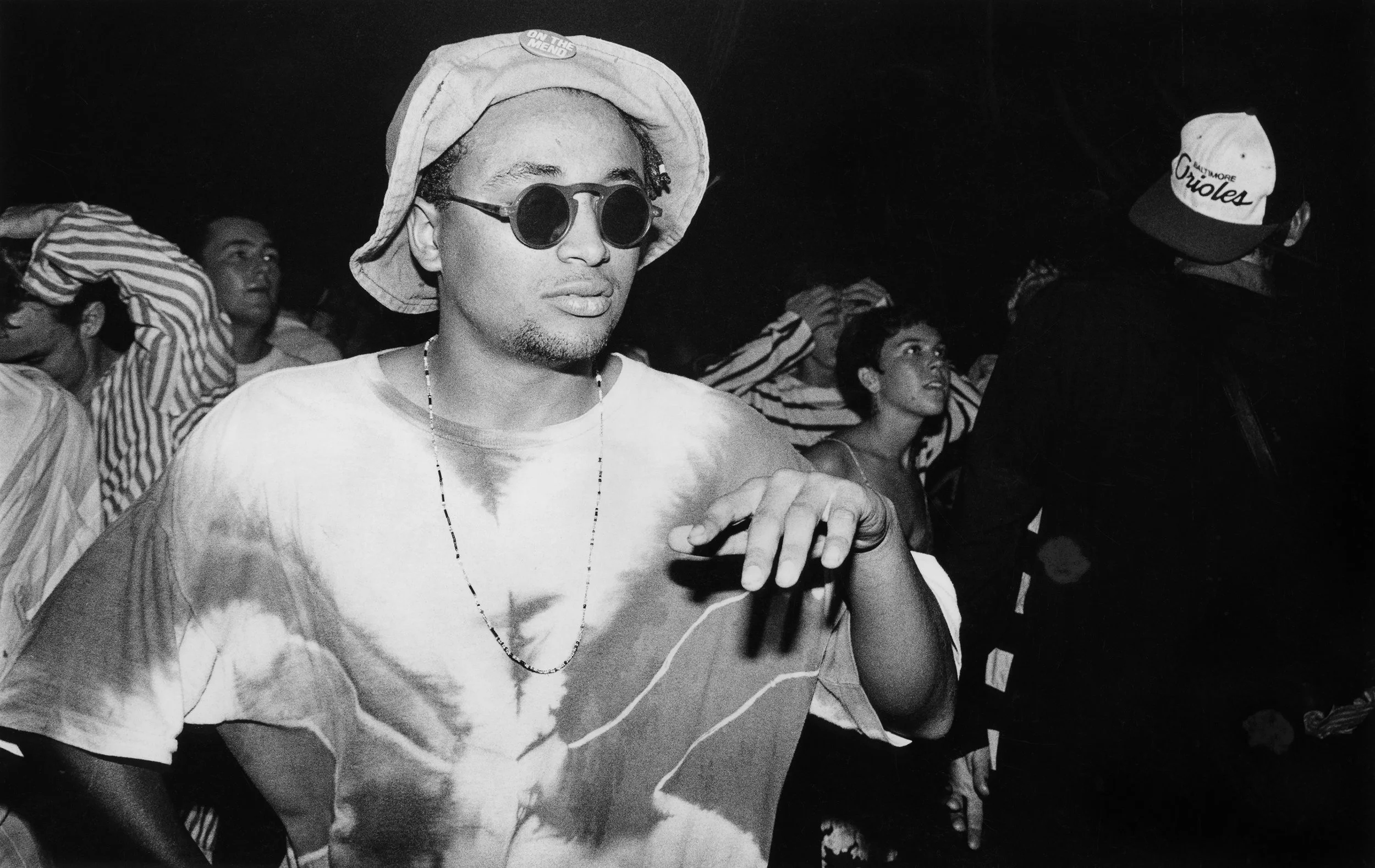
The rave scene was an all-nighter, so there was no point putting on decent clothes. You were going to get soaking wet anyway. It paralleled the whole amphetamine-fuelled Northern Soul scene of the ’70s. It was purely about the music and dancing, but there was also this incredible sense of community. People from all over would come together and make friendships with others they’d see week after week.
It wasn’t about how rich you were or what football team you supported. It was about asking each other, ‘Did you go to that one? Are you going to this one? Who’s your favourite DJ?’ There’s a real beauty of youth that comes around only once in a while, which I don’t think we’ve seen for a long time.
That’s where I saw the camaraderie, the closeness – the real sense of community.
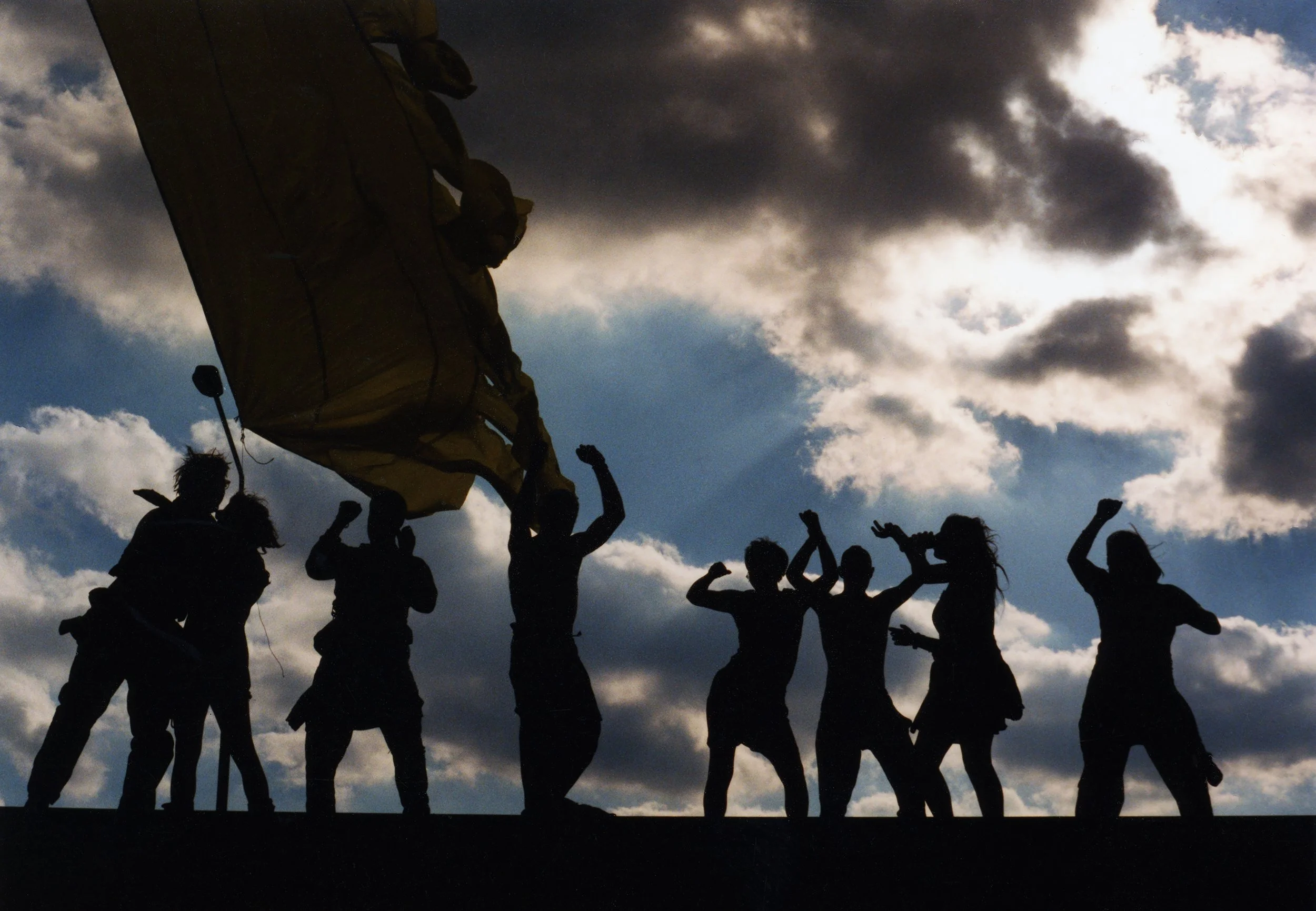
The Dawn of
Acid House
1989アシッド・ハウスの夜明け
OE: You mentioned spending most of your time in the club scene, but you also attended some major raves. What was the first big rave you went to, and what was that experience like for you?
TD: It was Shelly’s. Every Northern Soul fan of my generation will mention Wigan Casino, but there were loads of all-nighters – some small, some huge. Some rooms were pitch black with just one tiny light from the DJ deck, and the sound systems were often so bad you couldn’t hear the DJ. But it was addictive. When I walked into Shelly’s, I don’t know the exact capacity, but it was pretty big, and I think Sasha was playing, and I just went, ‘Oof’. It was hot and every single person was dancing. Everyone was gurning – just fully on it. I don’t think there was any seating. It was dancing on an industrial scale. I went to Shelly’s and then did some of the motorway services afterwards.
OE: Did you bring your camera along? Did you capture that first event?
TD: The thing was, I was skint and lived on beans on toast. Trying to be a photographer, I spent the redundancy money I had from losing my job in about a week and then bought cameras and film. Film is expensive now, but it was still expensive then. You had to economise. i-D Magazine requested some photos from the service station, since it had become a phenomenon – especially after the police started moving people on. So, I saved it. I only took about half a roll of film at Shelly’s, and, like a dickhead, I cross processed it. All the colours were reversed, so it looked shit.
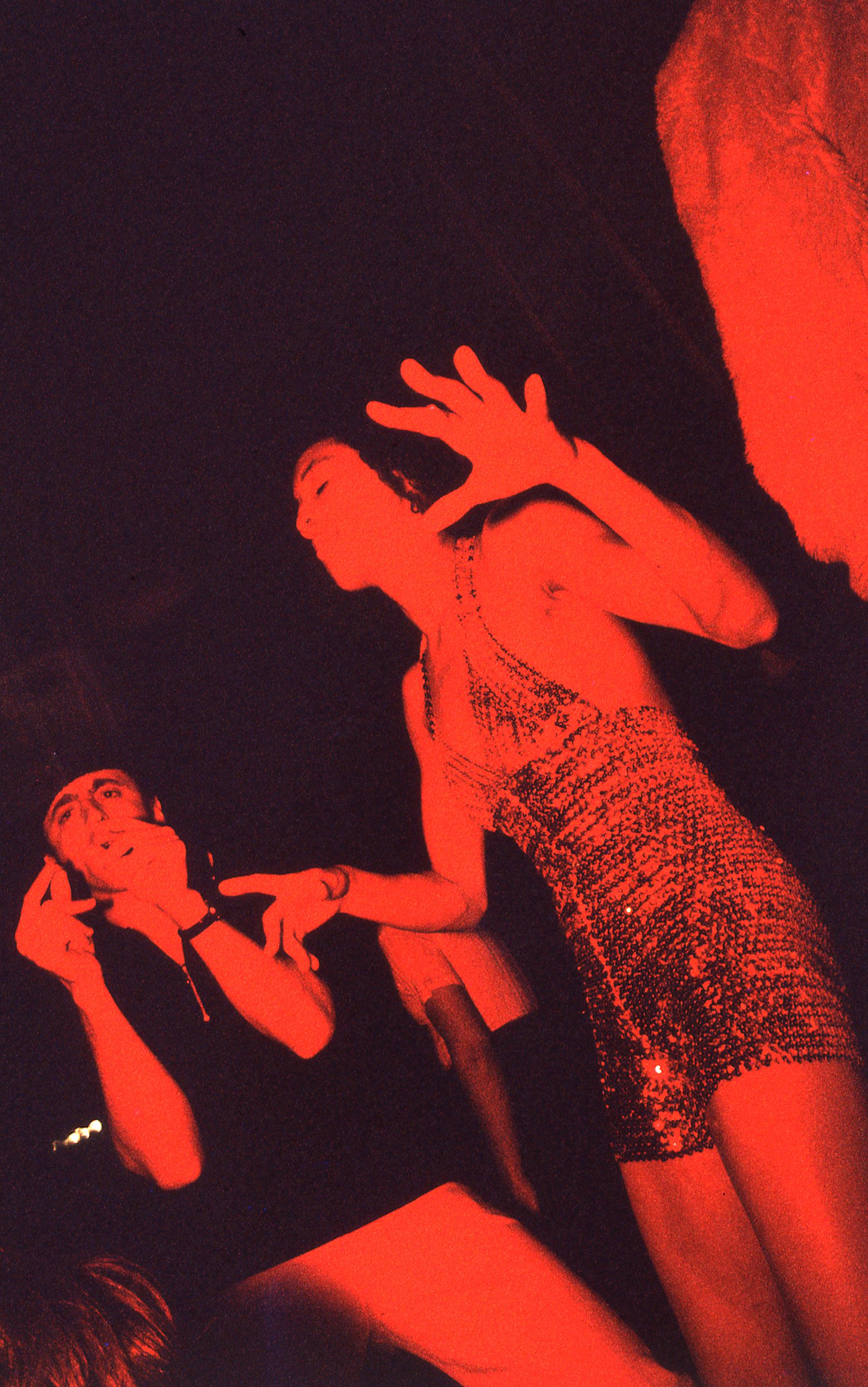
The one with the two girls raising their arms – that’s essentially all I have from that night. I actually printed them at the time, but I was experimenting and trying to be cool. I wanted to see what would happen if I cross-processed the film (running negative film through slide development or slide film through negative development) which created those crunchy, intense colours. I was always experimenting, trying this and that, which cost me a lot of frames, but a couple of them worked out.
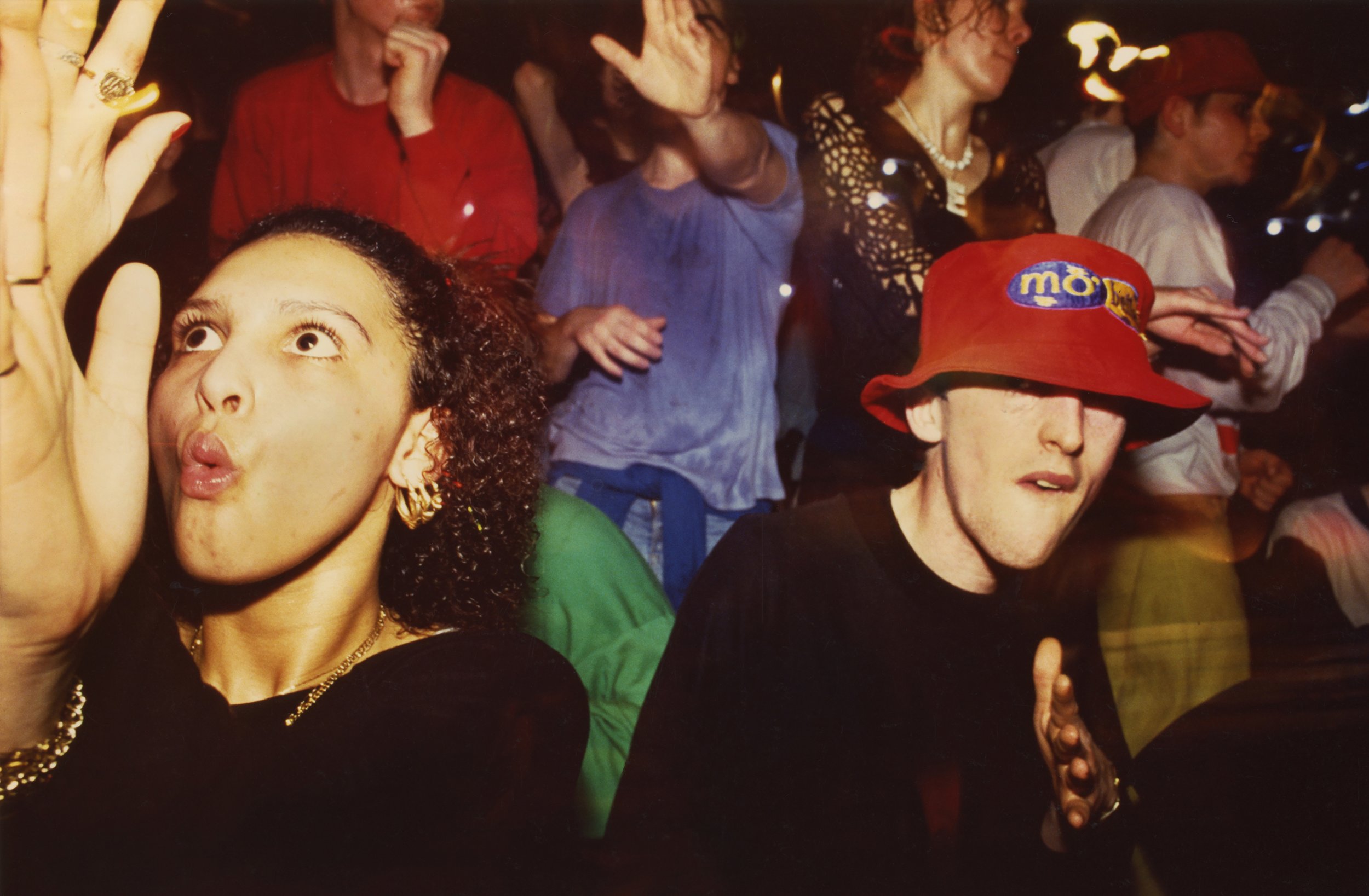
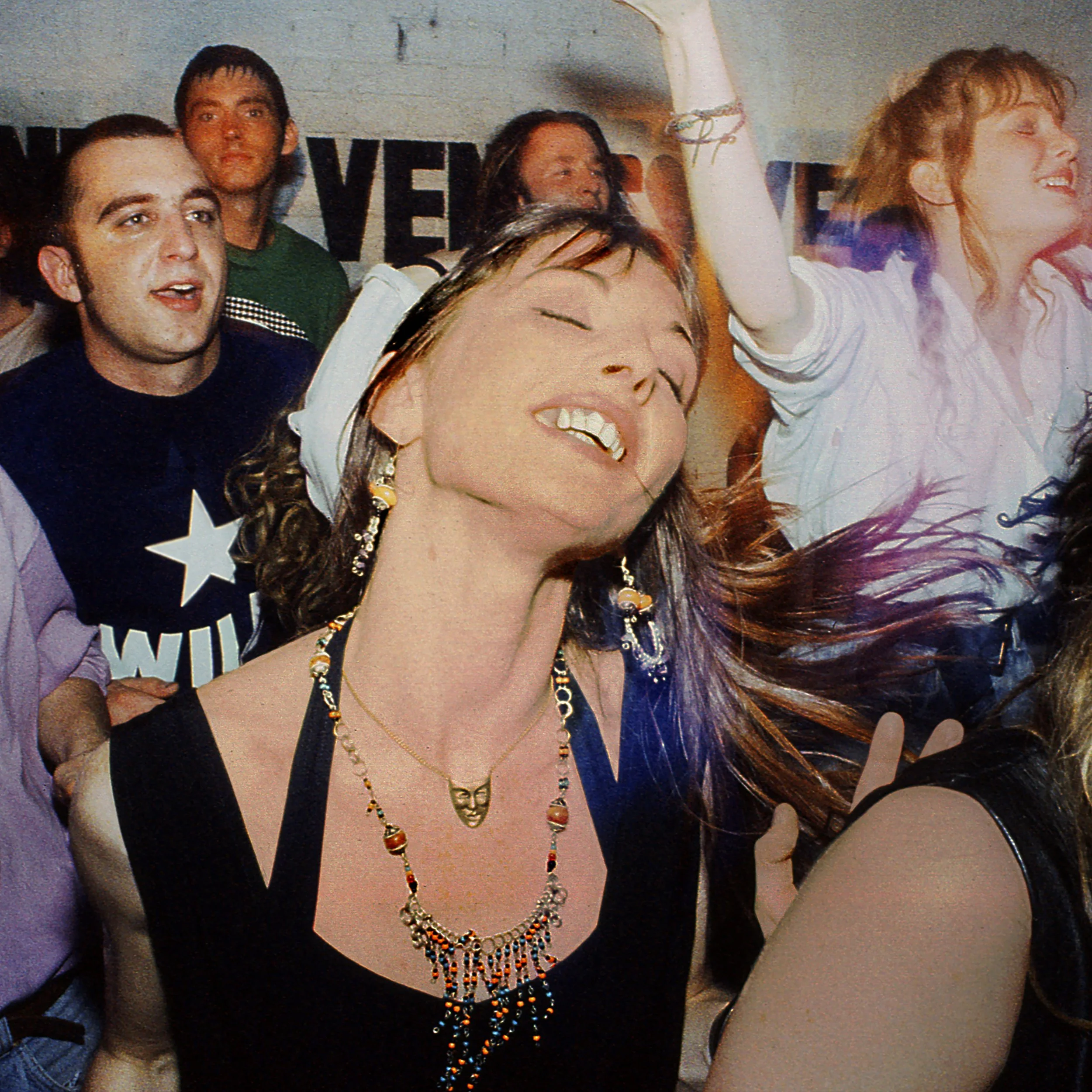
OE: Regarding the service station images, I think some of those are my favourites of yours. They feel like the magic of the rave has spilled into the real world. Was that something you set out to capture or just something that happened naturally?
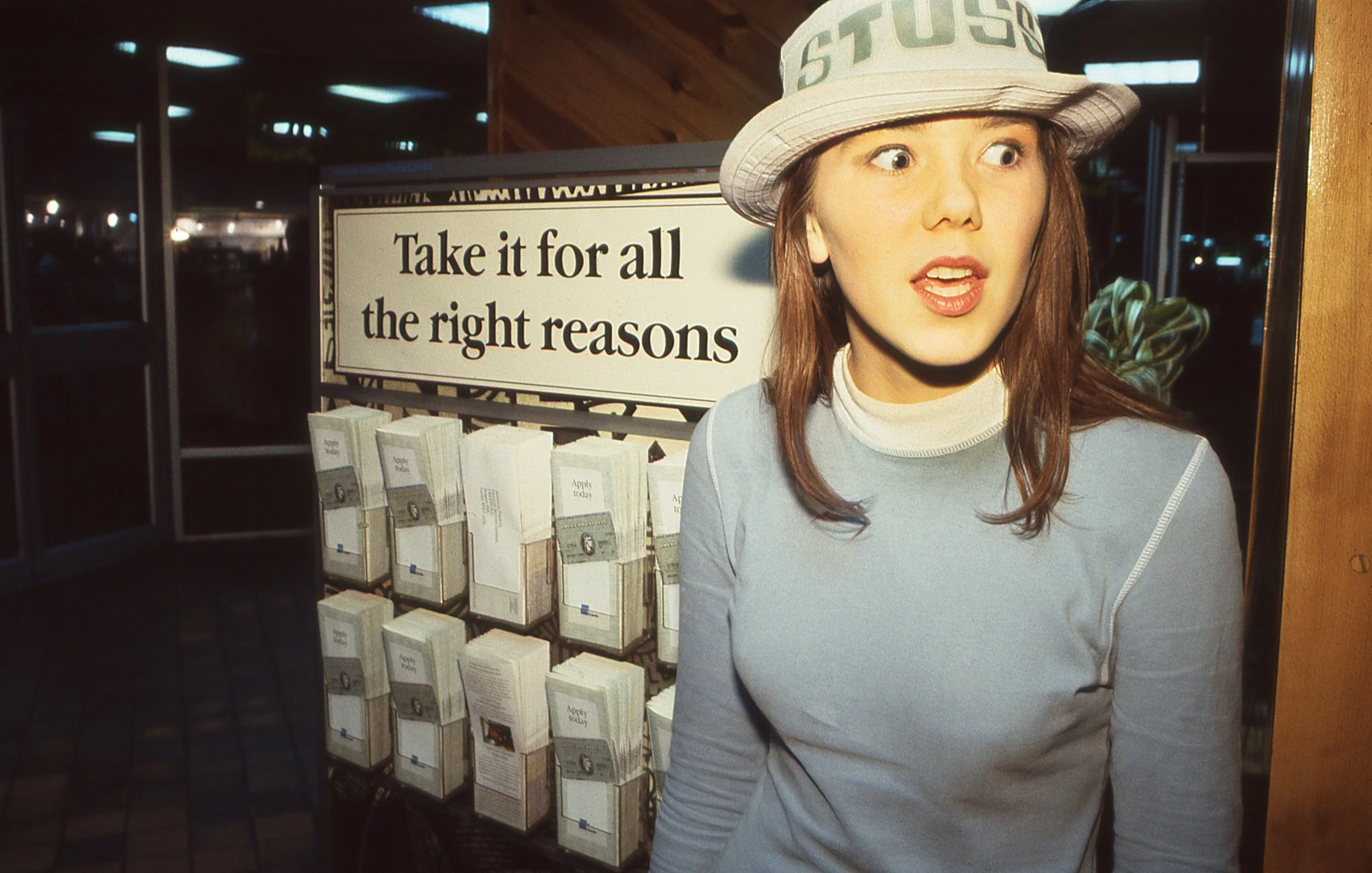
TD: That’s where I saw the camaraderie, the closeness – the real sense of community. Everyone was asking, ‘Where are you from?’ – ‘I’m from Oldham. You?’ ‘Stoke, Wolverhampton…’ – just mingling and getting to know each other. Even when you weren’t talking while dancing, there was still hugging and connection. It was loud and chaotic, but underneath it all, there was this strong feeling of togetherness. I didn’t always know what to do with it. People were pissing about, and I spotted this girl in a Stüssy hat buzzing around. I asked if I could take her photo in front of an American Express ad that read ‘Take it for all the right reasons’. I thought that little juxtaposition worked perfectly. Apparently, she was only sixteen at the time, studying journalism in sixth form, but that image has become one of my most loved. Many of my photos were published in UK Rave 1991 by Café Royal Books, and I’ve exhibited several of them since. Some of them are actually part of the Pursuit of Repetitive Beats VR exhibition that’s currently going around.
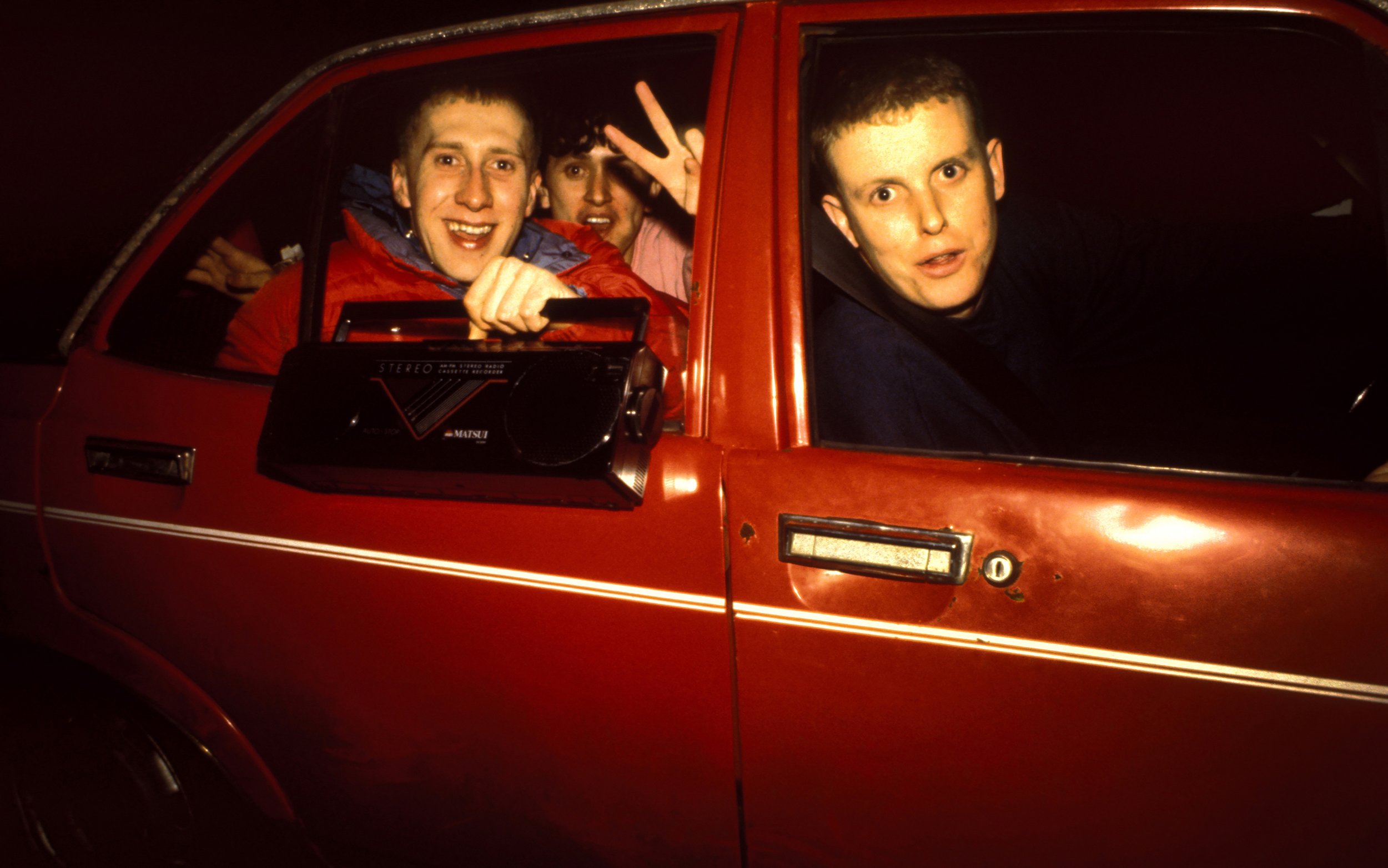
Then there’s the shot of the kids in the car. That one’s really well-known too. They were just about to pull out, blasting something like ‘Playing with Knives’ – one of those big rave tunes of that year – on a £10 Argos tape player hanging out the window. The driver was completely off his nut. I took a picture, and then they drove off. Years later, the kid in the back got in touch with me. The guy holding the master blaster passed away from an illness, not drug-related, and the driver’s still out there driving around. There’s a real warmth to that image, and to the service station ones too, even though, at the time, it didn’t feel like anything special. i-D ended up cutting the photos into little shapes for the spread, and honestly, they didn’t pick the best shots.
OE: What first pulled you toward photographing the party scenes in Ibiza and Italy during the ’90s?
TD: I was burnt out from shooting the club scene really quickly. By 1990 or ’91, my interest had peaked. Once the glamour, money, and superclubs started coming in, the charm was lost. Around that time, I saw a youth culture program about Rimini being hailed as ‘the new Ibiza’. There was this guy who was interviewed, Maurizio Clemente, who was a fixer for the clubs, and he organised events with Flying Records who used to run nights at Venus in Nottingham. I asked one of my closest mates from the Northern Soul scene, who’d also gone to Ibiza with me before, if he wanted a journalist pass to one of the events. Then I let i-D, Mixmag, and a few others know I was going, and it all took off from there.
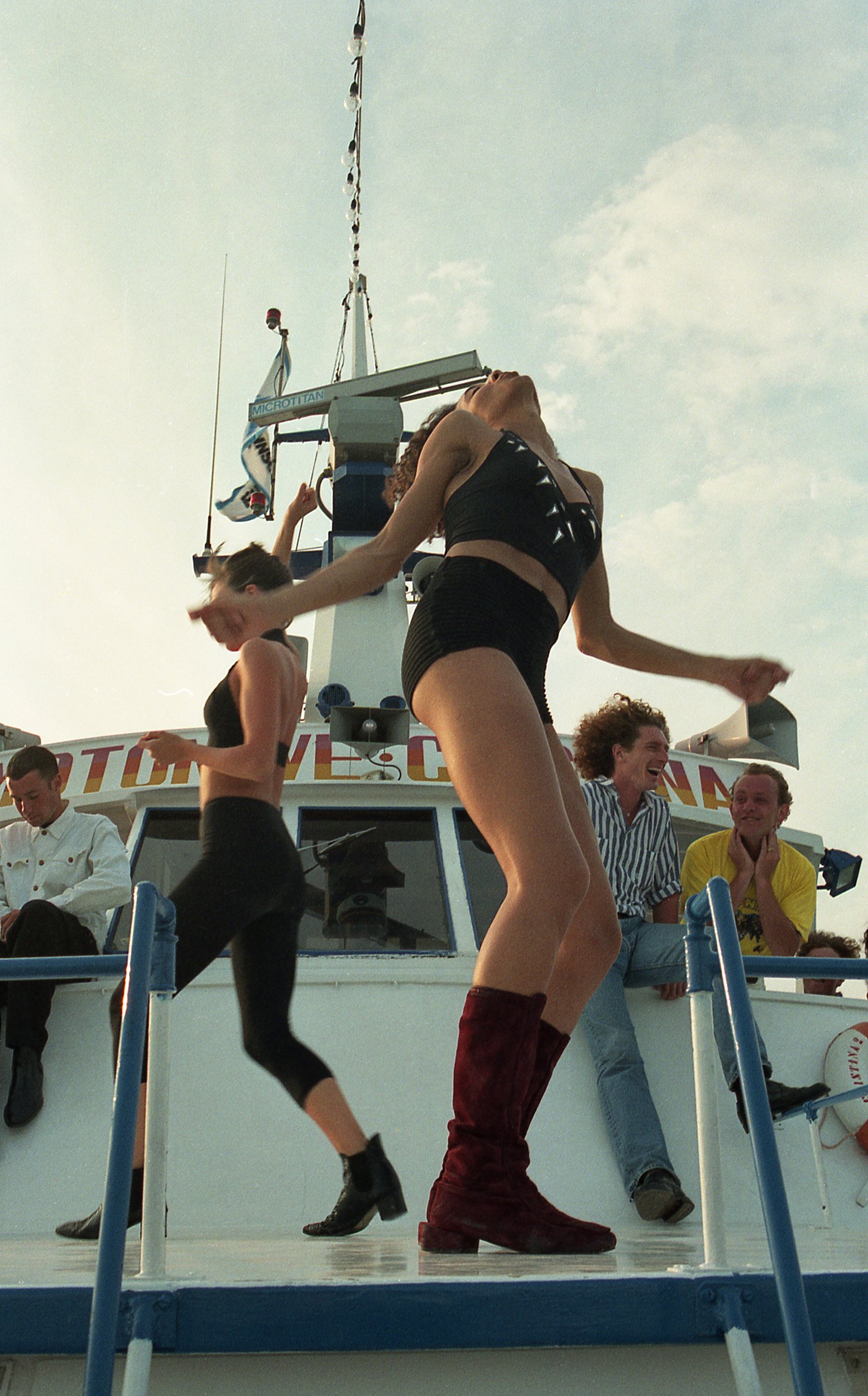
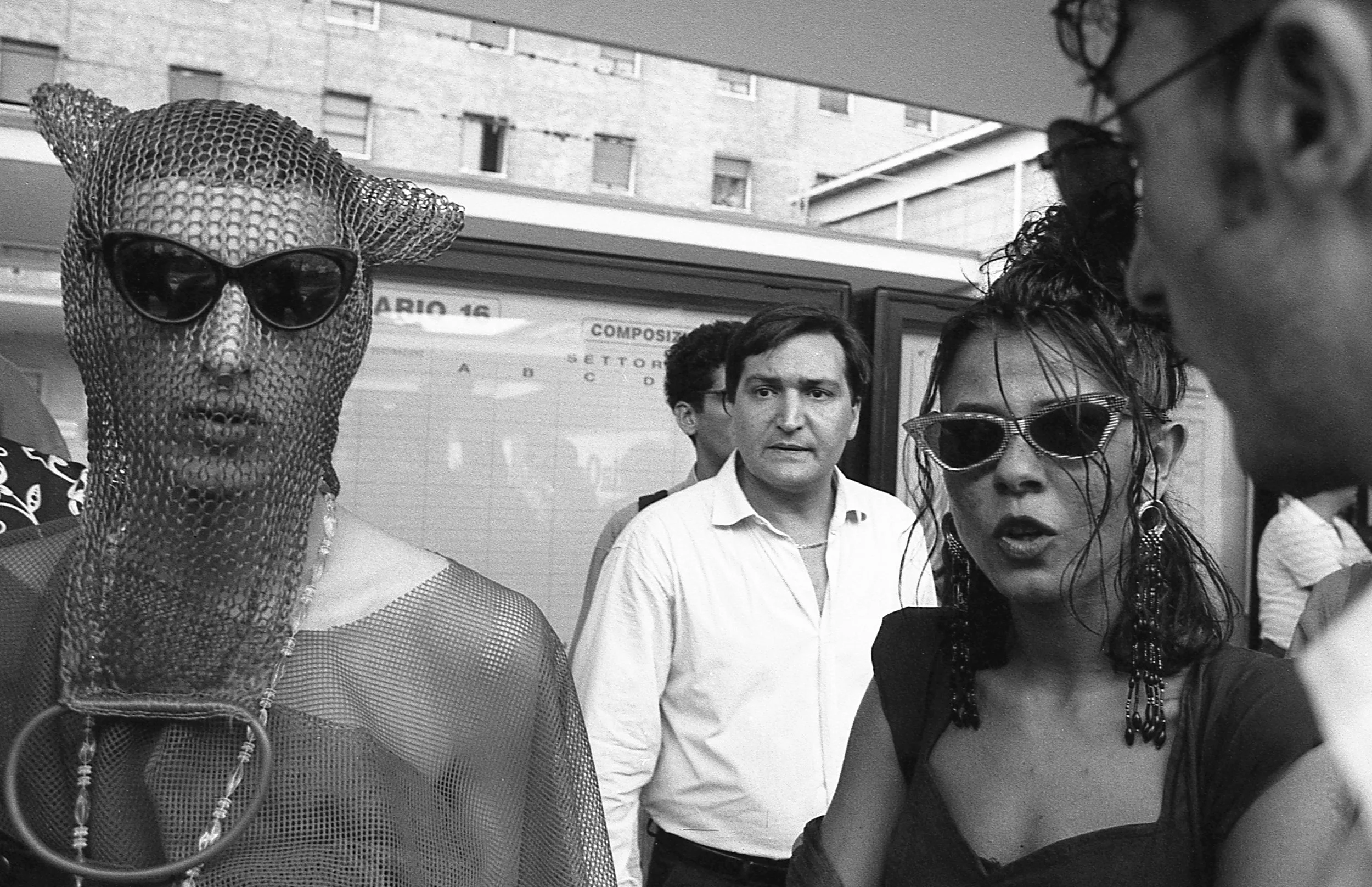
By the end of the week, I only had one roll of film left, and we were going on a boat. I knew there was bound to be something interesting there. Going back to that idea of being unobtrusive, I could have easily shot the whole roll of film on just one person, but I didn’t. That boat trip became a big talking point because the Coast Guard and police were following us by helicopter, and it turned into this notorious story people still talk about. Everyone says they wish they’d been on that boat. That’s really when Rimini kicked off.
OE: Such impressive work – to get so many distinct images out of just one roll of film.
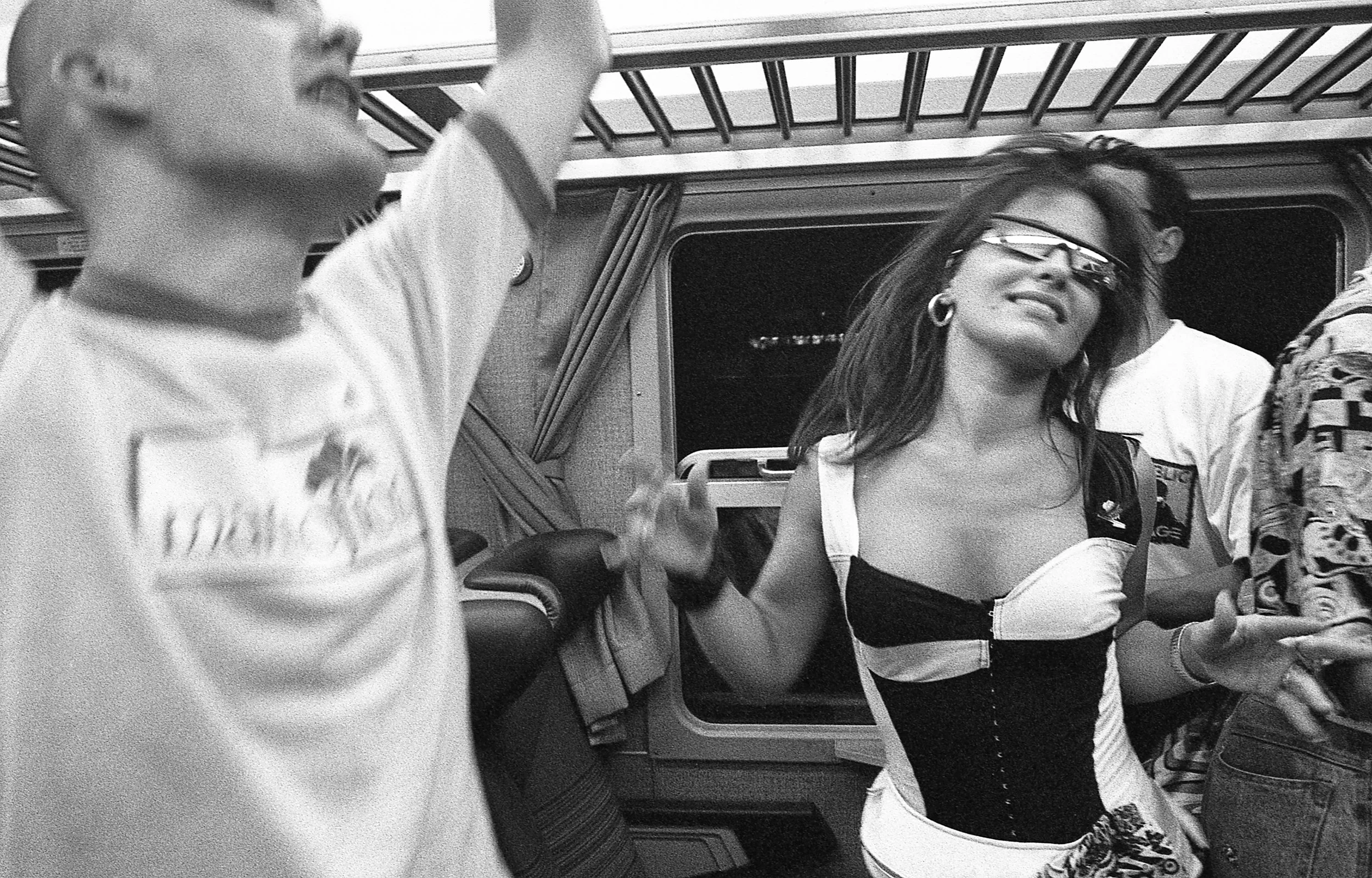
TD: It wasn’t even a 36-exposure roll, just a 24. One of those free ones you’d sometimes get when you picked up your processed film. It wasn’t Kodak or Ilford either; it was a cheap, nasty roll. When I talk to people who shoot digitally, they’ll say they take 5,000 images in a day. It’s almost like shooting a movie. Back then, I had 24 frames, and I was even saving a few for when I got off the boat. Real restraint. The boat trip was the very last thing of the week. People were a bit skint too. You had to pay for the boat as well as the club, so some didn’t even get on. But all the main DJs were there. As I got on, Weatherall [Andrew Weatherall] comes up to me and basically says, ‘You fuck off with that camera. Don’t come anywhere near me’. He was going to get totally off his nut. I respected that. He wasn’t aggressive or abusive, just setting boundaries. It’s a shame because having pictures of him DJing on that boat would have been something special. Everyone talks about his set and the tunes he played. It was early days for him. He was pretty important then, but he became very important afterwards. Then there’s the iconic shot of the girl dancing at the front of the boat with the guy behind her arms outstretched. She looks like she’s kissing the sky. It’s just a great frame.
i-D ran a really good spread, Mixmag did as well, and a few Italian magazines featured the story too. Some of the transparencies were sent off for publication and never made their way back. I lost them. They weren’t my best shots, but considering how few frames I took, it was something.
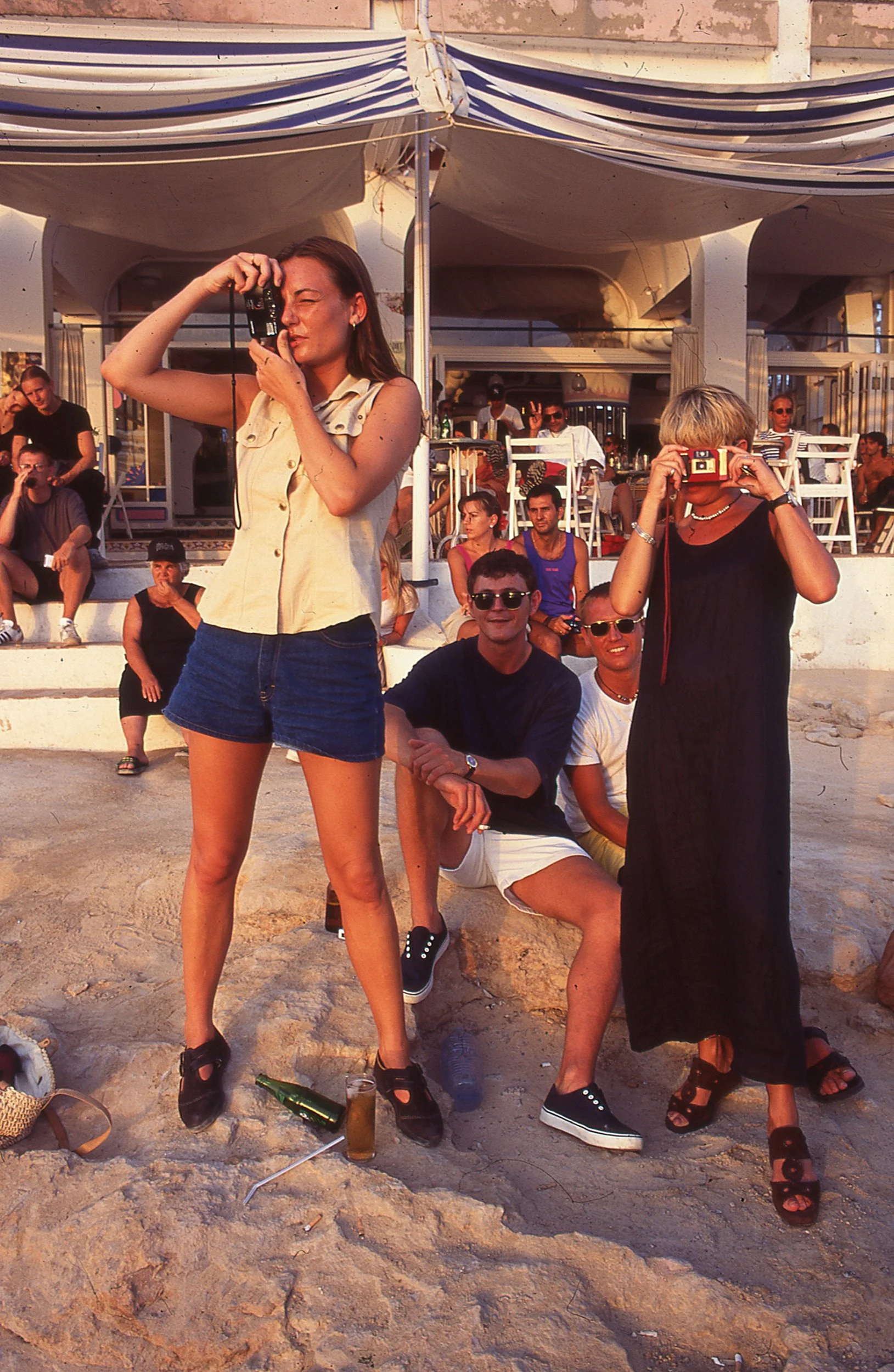
OE: The Café del Mar photos, to me, carry a similar energy to your service station images. That essence of the culture permeating the walls is what I really love about them.
TD: The girls were taking pictures of the sunset with big, old plastic cameras (there weren’t any phones back then) while people sat around, smoking, drinking, and reflecting on what a good time they had had the night before. It was a chill night at Café del Mar, or maybe just a warm-up, but everyone was animated the whole trip. Being in Ibiza itself is animated. It was actually my first time there, though people often assume it was ’94 rather than ’89. If I’d shot extensively in ’89, my work would have been competing with Dave Swindells’, and it was important that he got those shots while I got mine at my time. Because everyone photographs the sunset at Café del Mar, I was more interested in the people instead.
OE: I’ve read that you stopped photographing around the millennium. What led to that decision?
TD: People assume I stopped because I hated digital [photography], but that wasn’t it. Jobsworths and stewards became the biggest pain in my life. Everyone wanted control over what you were doing. I remember being in South Africa, walking up some steps and just looking down, when security took me into a room. I asked, ‘What did you think I was doing?’ The officer said, ‘Well, you might have a gun’. I replied – a bit snarky – ‘… If you can’t tell the difference between a camera and a gun, you’re not very good at your job’. I think what happened was that corporate management swept into so many industries that suddenly you had to navigate endless layers of people who just made everything difficult. Unless I was properly commissioned and paid for a spread, I started to step back.
I covered Italy ’90 and Euro ’92, which ended up on Channel Four as part of a documentary, but after that I began teaching photography at a college on a vocational basis while still working mainly as a photographer. The staff were flaky, so eventually, I thought, I might as well run the department – and I did. Naturally, my own photography suffered. Around that time, I also did a bit of acting and background work since I was living in London. A ‘charmed week’ for me would be: three days teaching, a shoot at The Den (Millwall), two days on a film set, and the weekend with the kids. On top of that, digital was incredibly expensive, and cameras were changing every year, so you’d spend a fortune only for it to become outdated. I fell out of love with it. People still contact me now asking, ‘We’ve got this club night, do you fancy photographing it?’ and I’m like, I haven’t photographed a club like that since the early ’90s.
There’s a real beauty of youth that comes around only once in a while.
OE: You recently exhibited in Margate. Are there plans to show more of your archive publicly?
TD: There’s talk of a big London gallery exhibition coming up, but I can’t reveal details just yet. My work at the Kaval Rafferty Projects in Margate was a mix of rave images and early black-and-white diptychs. I love showing work in spaces where people can encounter it even from the street. The gallery has large windows facing the square, so I hung two massive, two-metre rave prints on the wall. People could see them clearly from outside without even stepping in. It’s great to see the images finally getting the recognition they deserve. I always felt like they belonged as much to the people as they do to me. Yes, I took them, but they were never just mine. There’s so much love for those photographs, and I wanted them out in the world where people could see them – not tucked away in posh galleries. Long-term, the archive is like a pension top-up for me. I’m 66 now, so the aim is for it to help me live comfortably, enjoy life, and keep shooting.
The rave work has been featured widely over the last few years – places like the Museum of Youth Culture, the British Culture Archive, various galleries, pop-ups, and even in shops. It was included in a major youth culture exhibition at the Herbert Museum, and the Repetitive Beats show has toured Liverpool, Cardiff, and Leeds. Right now, some of my house-train images are on display in a little Italian bakery, and with Margate full of independent galleries, there’ll definitely be more opportunities to show work.
Read the full feature in HardCOPY Vol.2
Purchase Vol.2
